Power-to-hydrogen for multi-energy systems
Scientists in Switzerland say power-to-hydrogen is particularly promising for coupling electricity and heating and offsetting seasonal variation in renewables generation in sector-coupled energy networks. Their analysis indicated the technology may be especially useful in areas with a high ratio of seasonal thermal-to-electric demand.
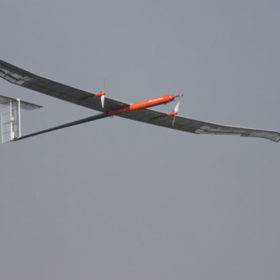
Solar-powered unmanned airplane with lithium-sulfur battery
The Korea Aerospace Research Institute has conducted a battery-powered test flight of solar-powered unmanned aerial vehicle EAV-3. The aircraft is powered by solar cells on its wings and body and an LG Chem lithium-sulfur battery.
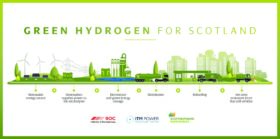
Scottish Power to bring parent’s hydrogen expertise to northern Europe
The U.K. utility is a partner in the Green Hydrogen for Scotland initiative which aims to be fueling commercial vehicles with sustainable hydrogen within two years, starting with a 10 MW electrolyzer on the outskirts of Glasgow.
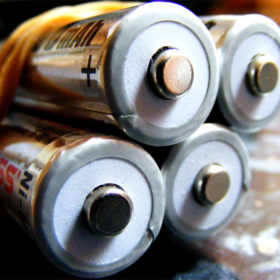
Plasma enables smaller, more powerful NMC-811 cathodes
Batteries could shrink even more with smaller crystals in the cathodes. Battery packs in electric vehicles and consumer goods could become smaller, while still offering high performance.

South Africa to tender 6.4 GW of solar and wind, 513 MW of storage and 4.5 GW of conventional generation
The country’s regulator has approved a government plan to tender for 11.81 GW of power generation capacity on top of the 2 GW tender opened last month.
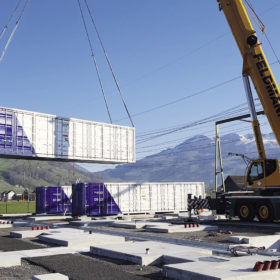
Bangladesh set to embrace gas, rather than renewables
A national energy strategy which prioritizes coal is being ripped up just two years after its introduction, thanks to Covid-related slumps in demand, but legislators appear likely to look to gas, rather than solar and wind power as an alternative, due to land issues and energy storage costs.
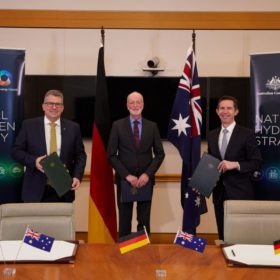
Australia and Germany shake hands on green hydrogen future
The two nations have brought their national hydrogen strategies together after signing a new agreement for a joint feasibility study into green hydrogen production and trade. The agreement was welcomed around the country as auspicious of Australia’s potential as a global green hydrogen superpower.
Leclanché restructure delayed
Eneris Group has suspended its financial commitments for the time being and Leclanche shareholder Fefam has provided a bridge loan of CHF34 million to give the historic company more time to set up a joint venture for large scale battery cell production in Europe.

How long will the lithium supply last?
Researchers have sounded the alarm. If no serious efforts are made on second-life battery use, recycling and vehicle-to-grid applications, decarbonization efforts may hit the buffers a lot sooner than expected.
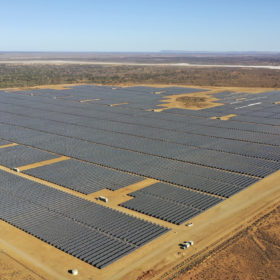
EU Green Recovery plan could support 2.3 GW of Spanish solar project capacity
Three big projects are candidates for support from the Covid recovery plan laid out by the bloc.
