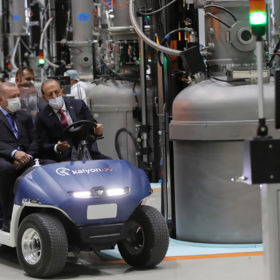
Erdogan opens ingot-to-module solar factory in Ankara
The $1.4 billion cost includes a 1 GW solar field 260km away in Konya. The factory was developed solely by Kalyon Solar Technologies after development partner Hanwha Q-Cells walked away from the project.
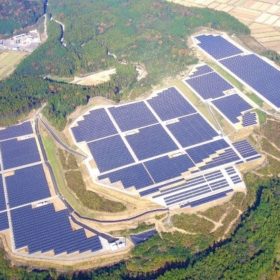
Japan’s struggle to drive down renewables costs
A nation famous for high electricity prices has seen power costs fall 15% this year, according to analyst Wood Mackenzie, a figure which will help attract $100 billion of solar and wind investment to 2030. Renewables will have to work even harder, however, to displace fossil fuels in hydrogen production.

Canadian Solar offers $13m to settle class action
The Sino-Canadian solar manufacturer has moved to settle a ten-year-old case in which it was accused of breaching generally accepted accounting principles in its 2009 figures. The company has indicated the settlement, which is yet to be approved, is not an indication of guilt.
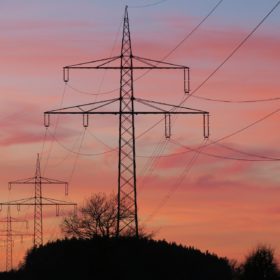
Modi loosens the purse strings to help India’s struggling state utilities
Covid-19 hits to demand and bill payment collection have worsened the plight of the nation’s already debt-crippled power distribution companies, prompting the government to order an exceptional relaxation of lending limits.
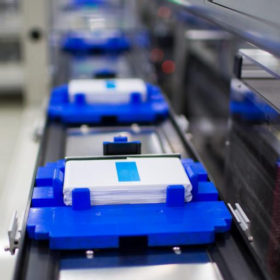
Lithium battery equipment makers buffeted by Covid
Grid scale lith-ion batteries may be multiplying Stateside, but an expected recovery in the production line segment will be put on hold until next year because of the pandemic, according to one analyst.

The ‘rubber-band effect’ on renewable energy project margins
David Riester of Lacuna Sustainable Investments, looks at how, on the journey from concept to monetized power plant, renewables and energy storage projects tend to get tugged toward ‘zero’ margin, from either direction. The further the rubber band is stretched, the stronger the pull back toward zero.
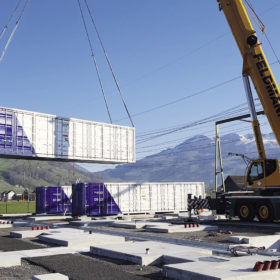
Energy storage investment to approach $10bn in 2025
Analyst IHS Markit has predicted storage will rebound this year following its first year-on-year decline in 2019. The technology is being rolled out at pace despite Covid-19 with state-level policies set to keep the US the global capital for the next five years.
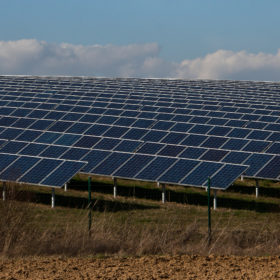
Analysis of Ireland’s first renewables auction
Harsh Goenka, from solar forecasting company Solargis analyzes the results of the nation’s first clean energy tender for pv magazine after the procurement exercise secured an average solar electricity price of €72.92/MWh.

Solargiga issues profit warning
The decision to remove its cell manufacturing capacity has prompted hefty impairment losses which, together with a Covid-19-related slump in demand, will wipe out the gains offered by new solar ingot, wafer and module production lines.

Xinte corrects update which said it was selling polysilicon at a bargain basement price
Whoever published the figures for a profit warning issued by the poly maker on Friday might have spooked investors even further with a stray decimal point.
