
Lukewarm response as Indian state of Gujarat re-tenders 700 MW of PV
A reduction in solar park charges was not enough to attract developers in the same numbers that flocked to a separate, 500 MW exercise two months earlier. The Raghanesda Solar Park continues to be a headache after a previous procurement was cancelled because the tariffs were deemed too costly.

Enphase can’t keep up with demand
The US microinverter maker reported its second consecutive quarter of profit and is sold out into the second half of the year, as it continues to battle tariffs and component shortages.
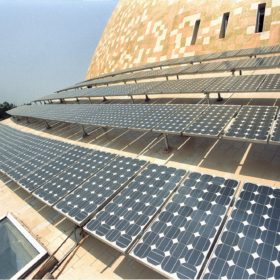
France sets second-quarter FITs for rooftop solar systems
The feed-in tariff granted reduces each quarter in line with how much solar capacity was installed in the previous three-month period and the drop will be felt more keenly in sun-rich Corsica and the nation’s overseas territories than on the mainland.
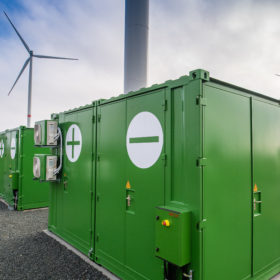
Renewables and geopolitics: storage could rip up the current global picture
In the latest of a series of interviews about the geopolitics of renewable energy, Indra Overland, head of the Center for Energy Research at the Norwegian Institute for International Affairs, explains how storage could change the global energy landscape by eliminating entrenched strategic dependencies. The impact of storage, he says, will be stronger in regions dependent on fossil fuels.

Gresham House eyes 182 MW storage portfolio in the UK
The asset manager has seen good returns on the 70 MW it has already acquired. Despite the U.K. government cutting subsidies for renewable energy, the fund manager believes the country will be a high growth market for storage.
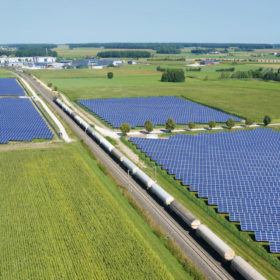
Germany added 350 MW of new solar capacity in March
The strong growth registered in the first quarter of the year – when 1.27 GW of new PV was deployed – will prompt a 1.4% reduction in the FIT price for the three-month period up to July.

Yingli reveals the full extent of its huge debt mountain
The SEC filing lodged by the Chinese manufacturer today tells the tale of ever falling panel prices, production shutdowns prompted by cashflow crises and multiple legal claims from creditors, as the company warns it could face being broken up.

China confirms FIT level payments – but they will be ‘subject to competition’
The Beijing authorities have confirmed the payment levels to be made according to type of project and region from July onwards but an auction process will be involved so the figures are for guidance only. No decision has yet been made on the 30 GW of capacity added since the end of May.
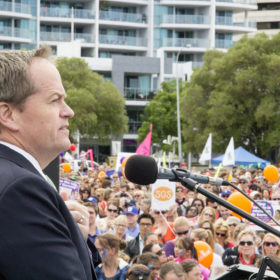
Labor plan to aggregate 4,000 schools into virtual power plants in $1 billion solar program
Australia’s federal Labor party has pledged to roll out PV generation and batteries at schools across the nation, and to create VPPs supporting up to 365 MW of capacity.
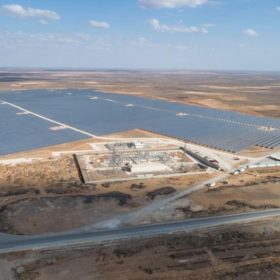
Fotowatio starts commercial operations at latest Jordan project
The Saudi-owned developer has announced an ambition to have installed 5.8 GW of renewables capacity by 2024 and took a small step in that direction with its 66.7 MW Al Safawi Solar Plant.
