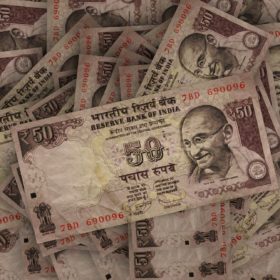
Falling rupee could threaten $3.84bn of Indian solar projects
As the currency continued to fall today, analysts are concerned developers will see any savings from lower module prices disappear, and lenders may get nervy, putting India’s national solar target in grave doubt.

Azure Power raises $400 million in debt and equity
Azure Power has raised the capital since June 30th, and says it is “the largest amount of financing raised by a solar power company in India during this period”. Azure says the fund leaves it well positioned to deliver a 2 GW project pipeline.
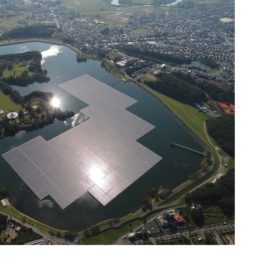
Solar drags on Kyocera figures
The PV business of the Japanese corporation is again the villain, as the conglomerate’s Life and Environment Group posts the only first-half business loss among otherwise impressive figures. The solar division has issued a profit warning.

There is nothing for solar in UK’s final pre-Brexit budget
Solar trade lobby group the STA has voiced its disapproval after Chancellor Philip Hammond yesterday announced plans to ease the tax burden on workers but had nothing to offer an industry which has seen a 95% fall in installations in three years.

Project targets nationwide tokenization of Estonian grid through blockchain
Blockchain innovator WePower and Estonian transmission system operator Elering have partnered to tokenize the Estonian grid using an Ethereum blockchain. The project is pilot, but its initiators say it could provide tangible data for bringing the technology to markets worldwide.
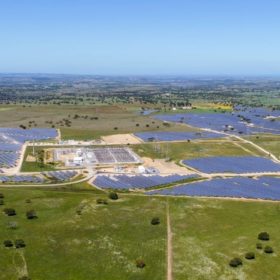
Allianz acquires 46 MW subsidy-free project in Portugal
Allianz Capital Partners, on behalf of German insurance company Allianz, has acquired a 46 MW solar PV project in Portugal.
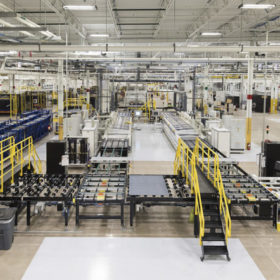
First Solar’s big format brings big bookings
The PV maker’s quarterly results show not only the ramping of its Series 6 production at a third location, but also bookings that continuing to climb, with 11.3 GW of modules now under contract.
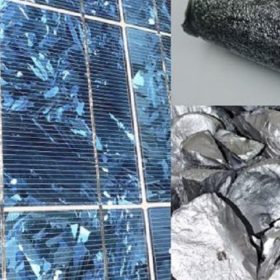
Ingot, wafer prices dropping; market momentum needed
Polysilicon and wafer suppliers are still struggling with oversupply and low demand. Tier 1 raw material manufacturers have signed their October orders, but further down the food chain, companies are still waiting for bites. Overall, prices on the cell and module level are in slight decline, although prices for ultra-high efficiency modules have climbed by a small margin, on the back of increased demand.

Poor polysilicon performance affects Wacker’s Q3
Despite its chemical business performing strongly, Wacker Chemie AG’s Q3 2018 financials took a tumble, with polysilicon sales and EBITDA sharply declining. The blame has been laid on China’s PV policy change in May.
Solar and storage show steady growth as Tesla finally turns a profit
Tesla energy storage deployments grew 18% and storage deployments grew 11%, as the EV + battery + solar company achieves its a long-awaited quarterly profit on the success of its Model 3.
