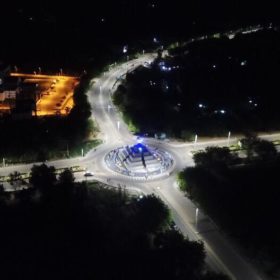
‘No limit to the number of mini grids which can be installed in Nigeria’
U.S.-based Husk Power Systems has installed six solar mini-grids in the West African nation and aims to build more than 500 by 2026 with the help of World Bank funding.

Brazil and Chile could lead charge to affordable green hydrogen
Falling electrolyzer costs driven by economies of scale, increased automation of production and the modularity of such systems will bring green hydrogen to a competitive cost with its fossil-fuel powered variants in a dozen markets by 2030, according to WoodMac.
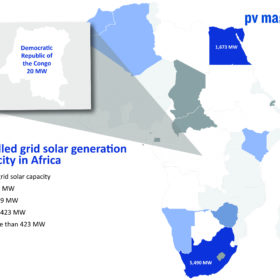
IFC opens $1.8m credit line to get big DR Congo project over the line
A 100 MWac solar farm planned in the Katanga region will be boosted by an additional credit line after the International Finance Corporation and the British and Norwegian government-owned Globeleq came on board.
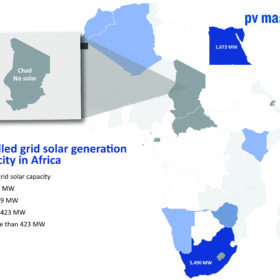
Chad’s first solar-plus-storage project secures funding
The development entity driving the first stage of a planned 60 MW solar plant has announced a doubling in the amount of borrowing secured for a project which was supposed to be operational in 2018.
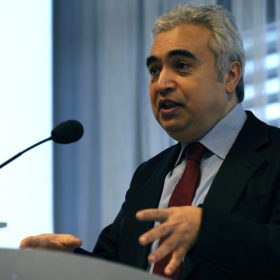
Record solar numbers expected this year but IEA highlights pricing concern
The Paris-based body expects the world will have installed almost 160 GW of solar this year, a record number, but still not enough to keep the prospect of a net zero global economy by mid century in sight.

Forced sale of Shunfeng projects will remove biggest overdue debt
Creditor Chongqing, which has been owed more than $100 million by the embattled developer for 14 months, will force through a sale of 180 MW of solar capacity to a third party. Shunfeng had originally wanted to sell the projects to Chongqing six years ago.
Update: Jinko says it did not reduce PV panel prices in the last quarter
The company today told pv magazine it did not reduce any of its PV module prices in the July-to-September period.

Chinese developer offers $50m for renewables if Bangladesh frees up land
A Shanxi-based clean energy company has asked for 200 hectares so it can construct 50 MW of power generation projects.
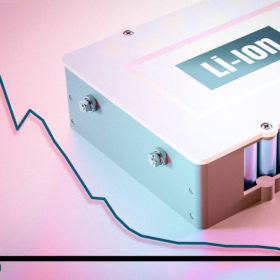
Behind the price drops in lithium-ion batteries
Scientists in the United States pieced together data from hundreds of different sources, looking to establish the key factors that have led to consistently falling prices for lithium-ion technology since their commercialization thirty years ago. They find that public-funded research, primarily in chemistry and materials science, has made the largest contribution to cost reduction. And they offer suggestions on policy and investment to ensure that the research can continue to make these important contributions to reduction in battery costs.
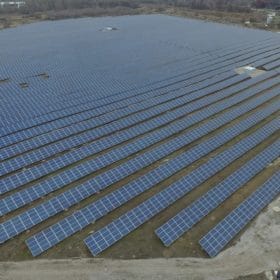
A net-zero Canada would need 1.6 GW of solar per year from now on
Clean energy trade group the Canadian Renewable Energy Association has told policymakers CA$8 billion worth of solar and wind projects will be needed each year to decarbonize the electricity supply by 2035 and remove net emissions by mid century.
