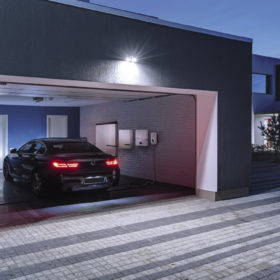
SolarEdge posts first-quarter results
The manufacturer says it shipped 1.69 GW of its inverters in the first three months of the year and predicted a further quarter-on-quarter rise in revenue from the current window.
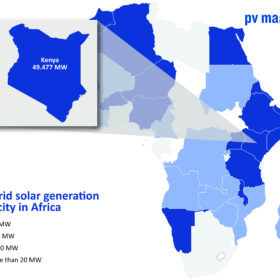
A case study in African solar policy problems
Dutch off-grid solar organization GOGLA has focused on the negative effect of the reimposition of VAT and import duties on solar lighting systems in Kenya as emblematic of the lack of legislative support for clean energy across the continent.
GCL nears resolution of its $500m senior notes headache
The Chinese poly maker expects to sign off a debt reorganization plan in Bermuda next month and has announced its latest $102 million solar project sell-off.
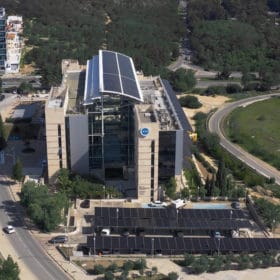
Lack of policy hampers energy storage in Cyprus
Although the government last month started offering purchase incentives for residential batteries, a net metering regime which is in place for solar households means there is little to prompt PV owners to splash out more on storage.
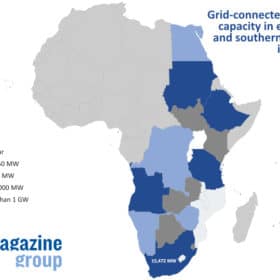
Solar and wind could provide half of 2040 power mix across 22 African nations
The International Renewable Energy Agency has combined energy infrastructure commitments across a huge swathe of the continent with hundreds of regional sites which offer rich solar and onshore wind potential, to determine what could be possible.

Sri Lankan garment manufacturer could invest in Bangladeshi renewables
Although the Windforce clean power developer controlled by garment maker Hirdaramani has not been forthcoming in response to pv magazine, it is reportedly considering installing 20-50 MW of solar and/or wind power capacity in the nation.
Special trade zones can help Africa’s energy transition
With investors often put off by a lack of supportive policy for renewables on the continent, the exceptions made to attract money to its economic trade zones might also prove more friendly to clean power infrastructure spending.
Chinese solar developer expects $0.22/W cost for lithium-ion storage in 2023
The board of Xinyi Solar has announced it expects to have to install energy storage at its Chinese solar projects from July onwards, as a result of the recently launched five-year plan.
China’s Covid recovery saw green bond issuance rebound in second half of 2020
The $18bn worth of sustainable finance instruments floated in the nation last year marked a retreat from previous highs but, with most of the bonds issued from July onwards, the recovery is under way, according to the IFC, which is anticipating a more-than-$100 billion sector in emerging markets over the next three years.
EU moves step nearer €11.5bn fund for coal-dependent regions
The European Parliament appears to have made the terms of the energy transition funding stream for public sector entities more favorable by securing a bigger slice of non-repayable grant cash for the bloc’s most deprived regions.
