
Mexico announces plans for 13 GW of new generation capacity – but no renewables in sight
The energy program will initially relate to combined cycle gas power plants with a capacity of 2.76 GW. No mention was made in electric utility CFE’s official statement of the possibility of increasing capacity by harnessing renewables.
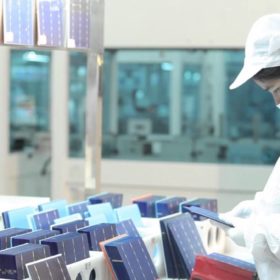
Jinko announces 5 GW wafer factory and 10.7 GW of module supply deals
The new manufacturing facility will be located in Leshan, in China’s Sichuan province and will produce monocrystalline wafers. It will raise the group’s wafer capacity to around 11.5 GW. Meanwhile, large supply deals are said to have come from markets including Vietnam, Mexico and Spain.
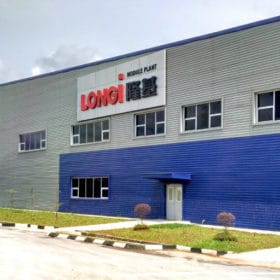
Longi outlines aggressive expansion plans as annual figures are released
The world’s number one monosilicon module maker is not intending to give up its crown any time soon, and has announced further plans to expand its already huge annual production capacities for ingots, wafers, cells and modules.
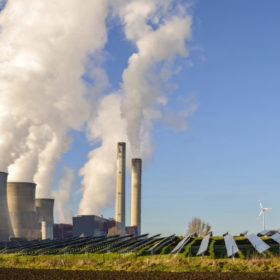
Renewable energy will surpass coal in the US this month and next
The volume of U.S. electricity generated by renewable energy is set to surpass the level sourced from coal for the first time this month and the trend is expected to continue in May, according to Department of Energy data.

Indian developer Azure Power commissions 150 MW project at the Bhadla Solar Park
The independent power producer now has 1.6 GW of operational solar assets. Other recently commissioned Azure projects include the final phase of a 260 MW solar project in Gujarat and a 100 MW facility in Karnataka.

Hanergy Thin Film shareholders to vote on share swap proposal
Details have finally emerged about when independent investors will decide whether to wave through a deal to transfer their stock into a special purpose vehicle for relisting the Hong Kong unit on the Chinese A-share index.

Development lender to help Egypt deploy 600 MW of solar in West Nile
World Bank Group member the IFC has signed an agreement to implement tendered projects with the Egyptian Electricity Transmission Company. The tender for the solar complex was launched at the end of 2017.
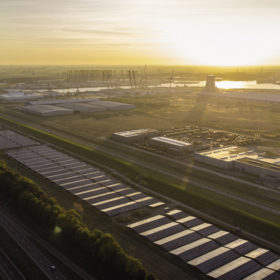
Another 3 GW on the way for the Netherlands PV market
The slew of new capacity will come from projects allocated from the bids received for the autumn 2018 round of the SDE+ program for large scale renewables. The Dutch Central Agency for Statistics revealed new PV additions last year were 200 MW more than predicted, at 1.5 GW, and the government last week announced net metering conditions for rooftop solar would be maintained until 2023.
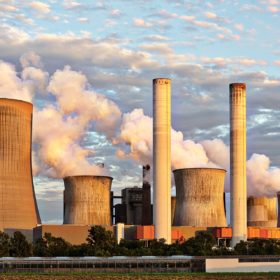
RWE abandons plans for 1.1 GW lignite-fired power station in Germany
The utility claims that current market conditions are not ideal for the project, which has been under consideration since 2012. The power station was meant to replace existing lignite capacity, and according to RWE, it would have been more efficient. The company says that it will refrain from making further investments in coal capacity while increasing its focus on renewable energy and storage.
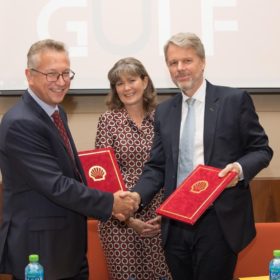
Shell to develop PV at Oman’s Sohar Port and Freezone area
The first part of the project will see the company connect a 25 MW PV station to a carbon ferrochrome smelter in the free zone. Several more plants could follow, ranging in size from 10 MW to 40 MW.
