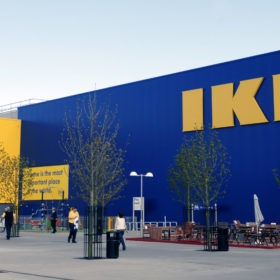
Ikea to begin the sale of solar modules in Sweden
By 2025, the furniture giant plans to offer solar panels worldwide at its stores. The company is in negotiation with potential partners and a supplier for the sale of PV panels in Sweden, which is planned to start in the autumn.
SMA posts first-quarter loss
Sales revenue declined at the start of the year despite steady inverter shipments. The reverse was mainly due to sluggish project business and SMA is predicting significant increases in sales and earnings in the second half.
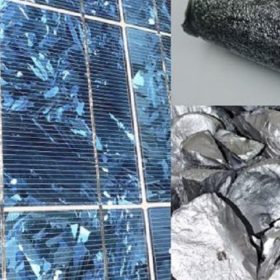
REC Silicon moves nearer shutdown of US polysilicon facility
The company has reported declining revenues and increasing losses in its first-quarter update. A plan to reduce polysilicon production will begin in a week’s time and if access to the Chinese market is not restored, a complete shutdown could be in place by the end of June.

Flat out: PV glass maker pulls out the stops to expand production
Flat Glass wants shareholders to back a $213 million convertible bond issue to provide the cash to raise its PV glass production capacity to 1.65 million tons per year. The company has already ramped up output so fast it is running short of funds.

Netherlands to issue green bonds worth up to €6 billion
On May 21, the triple-A rated nation will issue 20-year bonds for sustainable investments undertaken by its government. Eligible projects will include large scale renewable energy plants developed under the SDE+ incentive program.

PV investors in Honduras facing retroactive review of solar tariffs
The government of the Central American country with the highest installed PV capacity wants to renegotiate contracts awarded in 2015 under an incentive regime. While domestic companies have reportedly agreed to reduce tariffs, international investors are said to be in no mood to capitulate.
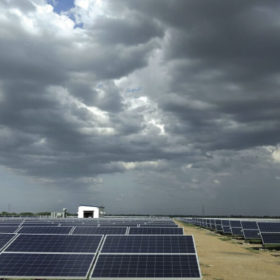
IEA warning against stagnation of renewables
After two decades of growth, the amount of newly installed renewable energy capacity is no longer rising and, despite a 7% growth in electricity generation from clean energy sources, global energy-related carbon emissions have risen 1.7%.
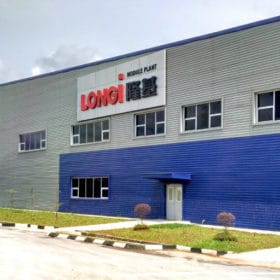
Longi claims new record for bifacial half-cut module as production equipment orders pour in
The Chinese monocrystalline panel maker said its 72-cell bifacial product has reached an ouput of more than 450 W on the front side. The result was confirmed by Germany’s TÜV-SÜD.

Swedish Energy Agency eyes PV to achieve 100% renewables by 2040
Though PV will remain in the shadow of wind and hydropower in the north of Europe, an ambitious solar deployment scenario in Sweden could lift the market into the gigawatt club through to 2040.

Trump tariff increase to have limited effect on U.S. solar market
Most large manufacturers supplying the inverter market have diversified production outside of China, but this will affect Huawei and other Chinese inverter makers, as well as U.S. module makers.
