Analysis: Siemens’ entry into distributed generation works for Kaco too
Having launched a residential storage system, the German giant announced plans last week to acquire inverter maker Kaco and start a new smart infrastructure business from April 1. In light of those moves, pv magazine spoke to IHS Markit’s Cormac Gilligan about the new kid, albeit huge, on the block.

India goes into overdrive with 6 GW tender plans announced in five days
SECI, the organization responsible for coordinating India’s push for 100 GW of new solar capacity by 2022, has had a busy week. But, as last year illustrated, tenders alone are not always a guarantee of new generation assets.
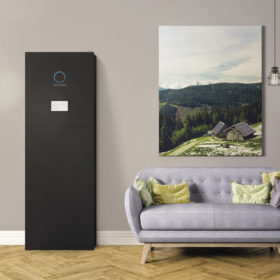
The weekend read: Just look who is closing ranks!
Owners of residential PV systems increasingly want more features. Virtual power plants, smart EV charging and self-consumption measured by ever higher percentages of self-sufficiency have been buzzwords in the industry. The result has been a new breed of smart bidirectional inverters, sometimes dubbed hybrid inverters. And with utilities having found business models that also work out in their favor, could a new dawn of residential installations rise over the world of suburbia?
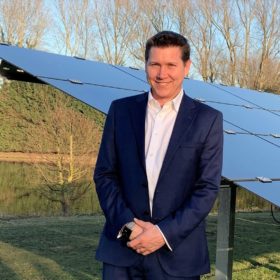
Gridserve to deploy 60 MW of bifacial-plus-tracking projects in the UK
Two sites with capacities of 34.7 MW and 25.7 MW will supply unsubsidized power to Warrington Borough Council. The smaller project will provide the local authority’s energy needs and reduce its electricity bill while the larger one will sell renewable energy on the open market, further bolstering council income.

DEWA to mount solar rooftops on 10% of Dubai homes
Dubai’s residential sector is set to experience a lift this year thanks to plans to install solar rooftops on 10% of the emirate’s homes. The DEWA-funded rooftop program was launched under the Shams Dubai initiative, which offers net-metering for small-scale solar.

Ukraine reaches 1.33 GW of installed solar power
In 2018, newly deployed PV capacity in the eastern European country totaled 645 MW. Demand is mainly driven by large-scale projects under the FIT scheme, but residential solar under net metering is also providing a significant contribution.
Siemens wants to take over Kaco
After announcing its entry into residential storage a week ago, the Munich-based multinational has now unveiled a plan to acquire inverter manufacturer Kaco. Siemens has not provided details about the value of the transaction.

Germany’s KFW finances 123 MW Chile project selected in 2016 auction
The plant is being built by Spanish developer Solarpack in the Atacama desert. The project was selected in an energy auction held by the Chilean government in 2016. At the time, Solarpack’s bid of $29.1/MWh was a record low for solar.
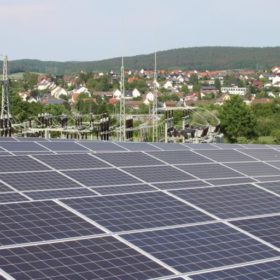
Germany deployed 579 MW of new solar capacity in January
Last month’s jump in new installations was mainly due to the pending FIT cut for installations not larger than 750 kW.

Shell and Total join fossil fuel companies bidding for a piece of Europe’s PV renaissance
With Europe set to return to solar power levels last seen during the PV boom seven years ago, a wave of mergers and acquisitions is taking place as the oil and gas majors splash the cash to buy the expertise needed to participate in PV’s new dawn.
