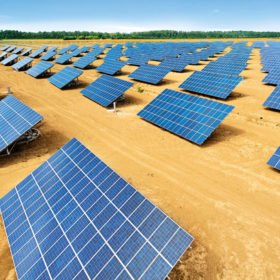
Italy further improves decree for solar, renewables
In a meeting with domestic energy associations, the Italian government has confirmed the general thrust of the draft decree for solar and renewable energies. It has also proposed changes favorable for PV linked to projects for asbestos removal and the rehabilitation of polluted or soil-degraded areas for large-scale projects selected in upcoming RE auctions. Alberto Pinori, president of Italy’s renewable energy association, Anie Rinnovabili, has praised the government’s new attitude and its agencies. He further stressed the importance of the obligation of only using new components for renewable projects, solar included, which will likely be included in the decree.
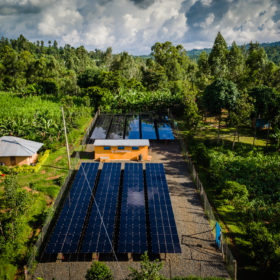
World Bank to devote $1 billion to storage in developing countries
The Accelerating Battery Storage for Development program is intended to leverage US$4 billion in new investments, and to support projects for utility-scale solar parks with battery storage, off-grid systems, including mini-grids, and stand-alone batteries.

Solar PV to grow 65-fold by 2050, 2°C target will be missed by a long shot – report
DNV GL has issued its annual Energy Transition Outlook. It reports that global electricity demand is set to grow by a factor of 2.5. Over half of this demand is expected to be met with renewable energy by 2050, while storage will play a key role. It adds that grid infrastructure expenditures are less related to variable renewable energy assets than to increasing energy demand. In the current scenario, meanwhile, global warming is likely to reach 2.6°C.
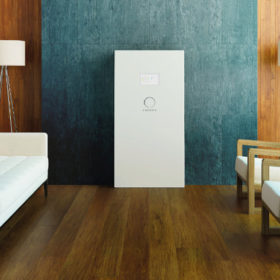
German equipment suppliers take lead in European storage market, report says
German suppliers may still play a central role in providing residential storage systems, however the increasing number of Asian manufacturers on the European market is undeniable. Particularly in the U.K. and Italy, they have captured the lion’s share of sales.

Eni joins race for Africa’s clean energy market
Via an agreement with the United Nations Development Programme (UNDP), the Italian oil company aims to increase its presence in Africa’s renewable energy markets. It already invests more than half of its budget in the region.

Porsche stalls polluting fuel amid ‘dieselgate’ and EV push
After the emissions scandal, many customers have turned their backs on diesel, partially due to environmental concerns, partially out of fear of a future bans on the fuel. Porsche says it has not had diesel engines in its portfolio since February, and will now scrap production altogether.
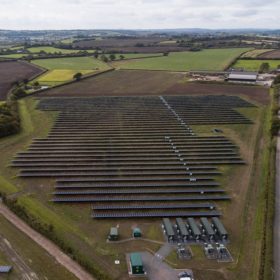
UK opposition party pledges emission-free energy system
Labour this morning unveiled plans for an energy system free of greenhouse gas emissions by 2050, but it is unclear what proportion of the party’s “clean energy” mix would be met by nuclear.
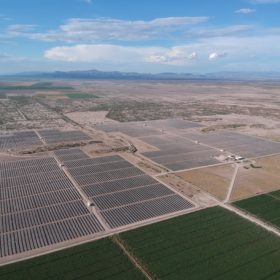
GRS plugs-in 35.4 MW solar facility in northern Mexico
The Energía Limpia de La Laguna project, owned by Mexican fund Balam, is located in the state of Durango. The plant incorporates 108,314 polycrystalline modules on 98 single-axis trackers.

SPI 2018: Contradictions, disasters, resilience
This year’s opening session for largest gathering of solar professionals in the United States alluded to many of the themes that the solar industry is grappling with.
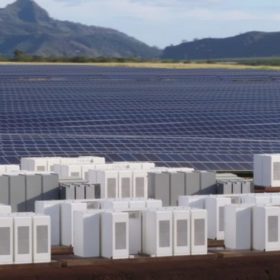
Renewables 2.0: Preparing for the new complexity of renewable energy in a post-subsidy world
As the deployment of renewable energy continues to expand around the world, driven by various inputs, such as capital allocation and investment, falling capital costs, competitive LCOE and various policy mechanisms, we are now moving towards a new era for renewable energy. ‘Renewables 2.0’ will have significant, wide-ranging consequences for all market players, as regulators reduce their support and power producers seek new revenue models. In this article, Duncan Ritchie, partner at Apricum – The Cleantech Advisory, will look at the key market developments for renewables, explode the myth of grid parity, highlight the need for flexibility and explain the importance of new financing solutions that are capable of meeting the new complexities brought about by ‘Renewables 2.0’.
