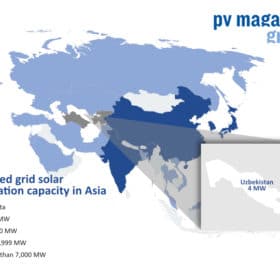
Abu Dhabi deepens investment in Uzbekistani solar
Masdar’s latest, 400 MW solar project win followed hot on the heels of the award of the contract to develop a 457 MW solar field elsewhere in the central Asian nation.

Applications open for Indian solar manufacturing incentive scheme
Companies can apply for incentives to set up gigawatt-scale solar factories in India. Applications can be submitted until June 30 and the list of successful recipients will be announced on July 26, with letters of award to be issued four days later.
Plans for $1bn solar-powered green hydrogen and ammonia in Abu Dhabi
Details are thin on the ground as yet, but Emirati newspaper The National has reported the port facility will be linked to an 800 MW solar field at the site.
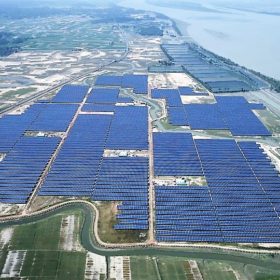
Minister highlights Bangladesh’s lack of land for solar
Junior power minister Nasrul Hamid, speaking at a signing ceremony for a planned 100 MW project, warned technology would have to develop to require less surface area for solar modules, although he did say Dhaka would fund research into rooftop solar.

GCL shareholders to vote on further 670 MW of project sales
Shareholders will vote on whether to approve the sale of ten solar farms to generate $320 million towards paying down its heavy debt pile.
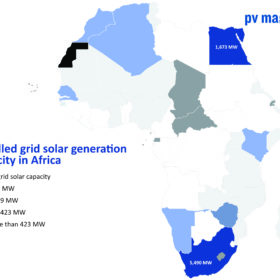
Solar dried up in North Africa during 2020
Politicians across the continent will have to decide between their heavily-indebted state utilities or embracing the energy transition, according to one energy analyst.
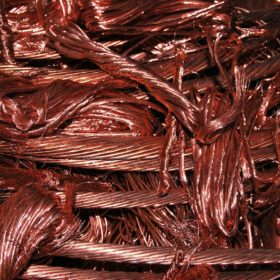
IEA highlights solar’s dependence on Chinese copper processing
The sheer volume of new power lines which will be required to accommodate the rising tide of solar installations ensures copper has been included by the International Energy Agency on its list of minerals which must keep flowing if the energy transition is to stay on course. And it’s not production that’s the potential bottleneck.
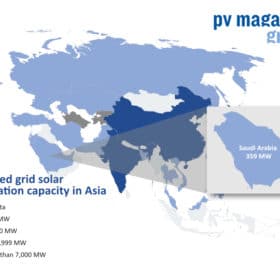
Saudi Arabia’s 1 GW solar tender invites bids by June 3
The 1.2 GW, Covid-delayed third round of the kingdom’s clean power program is back up and running, despite the fact the top news story on the relevant government department’s website is dated April 2020.
EU carbon price running at level not expected until next year
Emissions permits are selling at around €50 per ton, completing a rally from last year’s Covid-driven slump faster than expected by business respondents to the 2021 Refinitiv Carbon Market Survey.
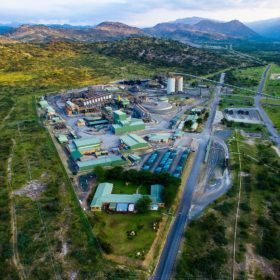
Green hydrogen supply chain concerns
With South Africa holding 63,000 of the world’s estimated 69,000 metric tons of platinum reserves – according to the Statista.com website – and Russia and Zimbabwe a further 5,100 between them, the European Commission has cited the metal as an example of a potential supply chain bottleneck that could handicap its grand plans for renewables-powered hydrogen production.
