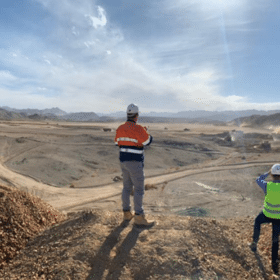
Solar-plus-storage for Egyptian gold mine
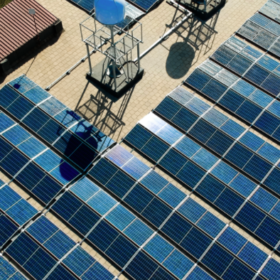
German developer Juwi plans to have a 36 MW off-grid solar plant and 7.5 MW of battery storage operational at the Sukari mine during the second quarter of next year.
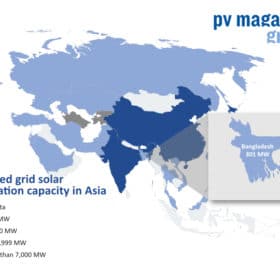
India to finance 100 MW Bangladeshi solar plant
The federal government will provide $131 million of soft loans for a $177 million, 100 MW solar park near the Jamuna river in Bangladesh’s Jamalpur district, where a second park of a similar size is being planned by Dhaka and a Chinese partner.
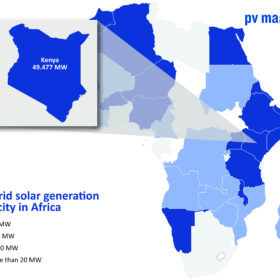
A case study in African solar policy problems
Dutch off-grid solar organization GOGLA has focused on the negative effect of the reimposition of VAT and import duties on solar lighting systems in Kenya as emblematic of the lack of legislative support for clean energy across the continent.

GCL nears resolution of its $500m senior notes headache
The Chinese poly maker expects to sign off a debt reorganization plan in Bermuda next month and has announced its latest $102 million solar project sell-off.
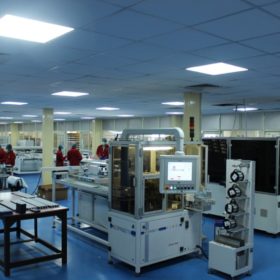
India’s Gautam Solar doubles capacity with new production line
Gautam Mohanka, managing director of New Delhi-headquartered Gautam Solar, told pv magazine its Haridwar module factory, now scaled up to 250 MW, is producing panels with a power output of up to 400 W, using mono PERC and polycrystalline cells.
The weekend read: PV feed in, certified
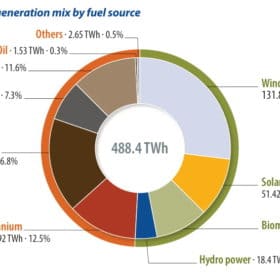
As more renewable energy capacity is built, commissioned, and connected, grid stability concerns are driving rapid regulatory changes. In the European Union, regulatory changes are now building momentum. As the first mover, Germany has shown that achieving compliance can initially seem burdensome, but it can quickly be integrated into existing processes and platforms.
Lack of policy hampers energy storage in Cyprus
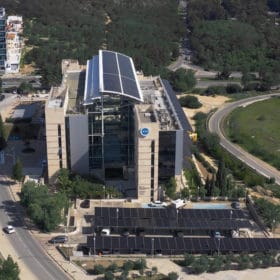
Although the government last month started offering purchase incentives for residential batteries, a net metering regime which is in place for solar households means there is little to prompt PV owners to splash out more on storage.
China mandates energy storage as it sets 16.5% solar and wind target for 2025
The National Energy Administration has ordered grid companies to supply enough network connection points for all the solar and wind projects registered in 2019 and 2020, and said variable renewables should be supplying 11% of the nation’s electricity by the end of the year.
Solar and wind could provide half of 2040 power mix across 22 African nations
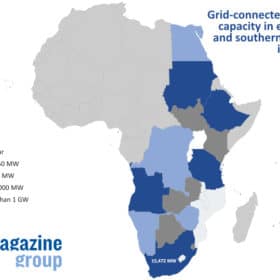
The International Renewable Energy Agency has combined energy infrastructure commitments across a huge swathe of the continent with hundreds of regional sites which offer rich solar and onshore wind potential, to determine what could be possible.
Special trade zones can help Africa’s energy transition
With investors often put off by a lack of supportive policy for renewables on the continent, the exceptions made to attract money to its economic trade zones might also prove more friendly to clean power infrastructure spending.
