
Covid-19 weekly briefing: US residents ponder solar during lockdown, Aussie installers wonder what might have been and the Indian EV industry calls for help
Plus, Italian developers continue to dig deep for their health service, the pandemic piles on problems for a debt-saddled Chinese company and analysts consider whether there will be any money left for a green economic recovery after the dust settles.

REC Group mulls French module gigafactory
The Norwegian solar manufacturer is considering a 2 GW heterojunction solar module factory in Sarreguemines, in the northeast of the country.
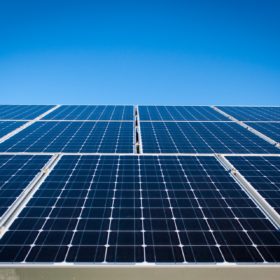
India’s 1 GW-plus ‘ultra-mega’ solar parks driving the energy transition
The nation hosts numerous gigawatt scale sites, two of which are the largest commissioned in the world. The huge PV parks have been instrumental in driving economies of scale and continue to attract global capital and some of the most recognized renewables developers.
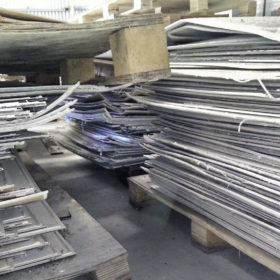
PV module recyclers aiming for high-purity material recovery
France’s National Institute for Solar Energy takes a look at the state of play in the European solar panel recycling industry.

A gigawatt solar factory in Europe? Why it must be in France
With Swiss solar equipment company Meyer Burger laying plans for a module fab in North Rhine-Westphalia and Norwegian panel maker REC Group mulling a fab in Sarreguemines, northeastern France, Xavier Daval – from French renewables association the SER – says it is time Europe resumes its path to a stable solar manufacturing industry, not least because of the rising proportion of solar module costs accounted for by shipping.

How to protect clean energy auctions during Covid-19 crisis
The EU research group tasked with optimizing renewable energy auction procurement processes said the achievement of climate change goals brought about by plunging energy demand should not endanger longer-term ambitions.
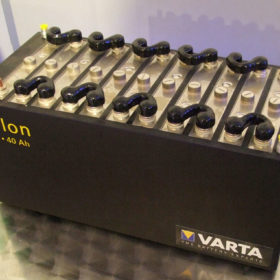
Lithium-ion storage is here to stay
A German-Israeli research group has gathered for three days to discuss which storage technologies may outperform lithium-ion batteries in the future. They concluded that there is no such a thing as a “post Li‐ion” era in sight. They recommended a “side‐by‐side” approach for multiple technologies in different applications, as well as the hybridization of technologies. The group highlighted the strong potential of redox flow storage, which in their view may outperform Li‐ion, although only for stationary applications.
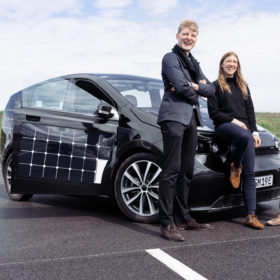
Finnish solar manufacturer gets Lithuanian factory purchase over the line
Appetite may have been lacking among private investors – at a time when global stocks are tanking amid Covid-19 and global recession fears – but the eco-friendly new Finnish government, and neighboring administrations, have stepped in to fill the breach.

Uzbekistan pitches for 5 GW of solar by 2030
The country’s previous solar target was 4 GW by 2031. Around 1.4 GW of large scale projects are expected to be tendered this year, according to a document published by the Ministry of Energy.

SolarEdge braced for Covid-19-related dip in record revenues
The Israeli inverter maker again posted a robust set of quarterly figures but is anticipating a dip in performance during the current three-month window as pandemic-driven lockdowns take effect in its markets.
