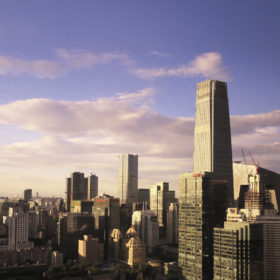
China’s much-trailed second-half solar rebound has failed to materialize
The world’s solar superpower added only 16 GW of new generation capacity up to the end of last month, according to the head of the main industry association. Short of a ten-week miracle, the annual capacity figure seems set for a second consecutive steep annual decline.

Portugal drafts new rules to boost rooftop solar
The regulations will come into effect on January 1 and will improve upon the regime introduced in 2014. The new provisions will for the first time provide a legislative framework for energy communities and storage deployment.
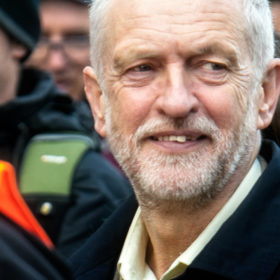
UK’s Labour announces plans for 22 GW of new solar capacity by 2030
Although PV trails wind and nuclear in terms of its anticipated future footprint, the opposition party’s attempt to outflank left of center rivals on climate change has resulted in one of the world’s most ambitious national roadmaps towards a zero-carbon future.

North Korea plans 2.5 GW solar plant with Chinese help
China will build the huge solar park at its own cost for its energy-hungry neighbor in exchange for access to rare earths. The project was announced by the Association of China Rare Earth Industry.
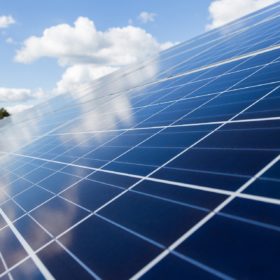
Merchant solar becoming real in Canada
German EPC contractor GP Joule is set to begin construction of a 25.4 MW solar plant to sell power on the spot market as part of a diversified plant portfolio. The facility, in the province of Alberta, will expand the increasing list of unsubsidized projects announced in the region in recent months.
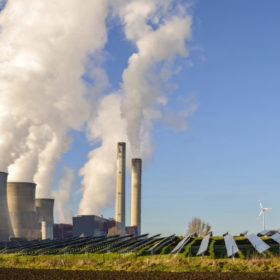
Bangladeshi solar mini grids threatened by fossil fuel commitments
In racing to provide access to electricity to all its citizens, the government has commissioned extensive coal, gas and nuclear generation capacity and the solar sector fears an ever-expanding national grid will kill the business case for solar in previously off-grid areas.
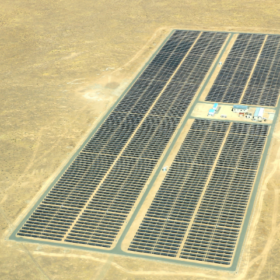
Namibia launches EPC tender for 20 MW solar project
The nation’s Central Procurement Board, on behalf of utility NamPower, has announced a tender to select an engineering, procurement and construction services contractor.
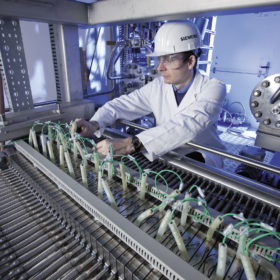
Fate of green hydrogen depends on ever cheaper renewables – for now
Analyst WoodMac has spelled out the urgent need to decarbonize the global hydrogen production industry. While the fuel can offer a sustainable grid balancing act for intermittent renewables, in its current fossil-fuel driven form it is pumping out more than 800 megatons of carbon into the atmosphere every year.
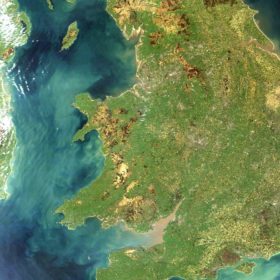
Highview Power to build UK’s first large scale ‘cryogenic’ energy storage facility
The long-duration energy storage provider plans to eventually build a portfolio of 50 MW/250 MWh liquid air systems throughout the United Kingdom.

Uzbekistan announces tender for up to 900 MW of solar
The central Asian nation and the International Finance Corporation have signed a mandate to develop up to 900 MW of solar capacity through public-private partnerships.
