India prioritizes domestic products in plan for 12 GW of new solar
The Indian Cabinet Committee on Economic Affairs has approved a plan for projects to be enabled by public bodies in the hope that avoiding competitive procurement will enable it to circumvent WTO rules related to import parity.
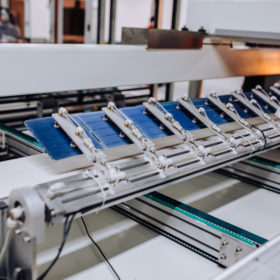
Kness Group commissions module factory in Ukraine
The panel fab, with a production capacity of 200 MW, is in Vinnytsia, central Ukraine. The factory’s capacity is expected to double by the end of the year.
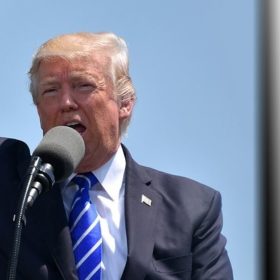
A year on from the Section 201 tariffs, Trump talks trade
There are indications the Trump administration may be closing in on a deal with Chinese authorities but, for now, the trade war goes on.
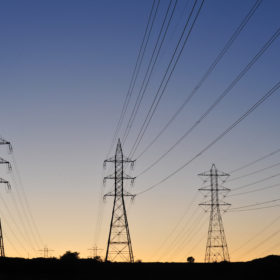
Super-grids vs prosumer states: storage may decide the battle
Indra Overland, head of the Center for Energy Research at the Norwegian Institute for International Affairs, explains how the world’s future energy landscape may include pan-regional super-grids. However, prosumer states seeking energy independence could also be in the mix. According to Overland, the two developments will go hand in hand and the balance between them will be determined by the competitiveness of storage technologies.

Croatian utility HEP issues call for utility-scale solar and other renewables
Interested developers of large-scale PV plants, with more than 2 MW capacity, have until the end of the year to send proposals. The expression of interest is for projects to be developed with the utility or to be sold to it.

Brazil preps auction for non-interconnected state of Roraima
The procurement is planned for May 16 and will award 15-year PPAs to projects based on conventional and renewable energy generation. Solar could help remove the state’s reliance on power generated by a company based in crisis-torn Venezuela.

Rise of corporate solar behind 950 MW of new capacity in US state
Almost all of utility Georgia Power’s proposed renewable energy procurement in its latest integrated resource plan is to serve demand for large users with corporate sustainability goals, following Facebook’s commitment to the state.

Solar refuses to lie down and die in the UK, says industry body
Although the prospects for large-scale British solar appear grim, the U.K. trade association for the industry says the compelling economic case offered by PV is ensuring activity continues despite a prolonged policy vacuum.
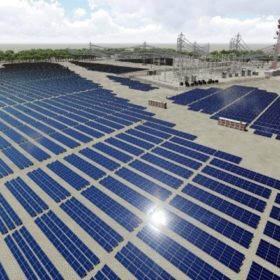
Advantage solar in Colombia’s first renewable energy auction
Some 22 projects were admitted to participate – 17 of them solar – in the country’s first RE procurement exercise, which will be held on February 26.
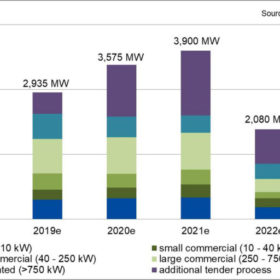
Germany to install more than 10 GW of PV before 2022 contraction
Extraordinary PV tenders by the federal government will provide for more growth. Market research company EuPD Research expects newly installed capacity of 4 GW in 2021. After that, however, the market could see a sharp reduction, after the 52 GW cap for solar subsidies is reached.
