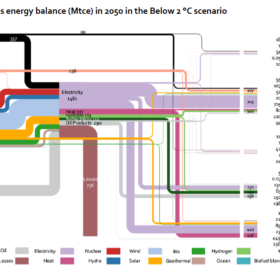
CREO 2018: A new era in the Chinese energy transition
A new era in the Chinese energy transition is on the menu and renewables are the order of the day, according to the latest China Renewable Energy Outlook (CREO). China will not require a gas bridge between coal and renewables, it finds, adding that renewables will become the core of the nation’s energy system by 2050, with annual PV installs of between 80-160 GW possible. Not only that, but electricity supply could be cheaper in this future than it is today.
EBRD unveils new energy strategy without coal or oil, looks to mobilize €1 billion in private sector capital
The European Bank for Reconstruction and Development yesterday unveiled its new energy sector strategy, which aims to ramp up renewables investment, while moving away from coal and oil. Gas will still remain a focus, however. It has also announced this week, plans for a €250 million green bond framework, through which it hopes to double the issuance of green/sustainability bonds in its active regions; and mobilize €1 billion in private sector investment over the next three years.

EnerGaïa: Solar will be main pillar of France’s energy transition
The French renewable energy fair confirmed the central role of solar in the country’s energy transition. Despite the current difficult political situation, the event attracted more visitor and exhibitor numbers than ever. Read on to discover the four key takeaways from this year’s EnerGaïa.
New renewable funding mechanisms higlighted for China – report
In light of the massive Renewable Energy Development Fund deficit, China is looking for new ways to support the further deployment of renewables. German Energy Agency, Dena has prepared a new report, detailing how the country can move away from FITs to a more sustainable financing framework. Overall, it points to the increasing importance of auctions; and discusses how the right policy design can improve the cost competitiveness of renewable energies.
Obscured policies in Taiwan’s FIT scheme to impact on sustainable development of local solar supply chain
The Taiwanese Ministry of Economic Affairs (MOEA) has announced a 10.17% decrease to next year’s feed-in tariff (FIT) rates for solar PV installations, which is much higher than the average decrease of 4.25% in the global PV industry. This will make 2019 a tough year for Taiwan’s PV industry, with wider-than-expected impacts on the whole market.
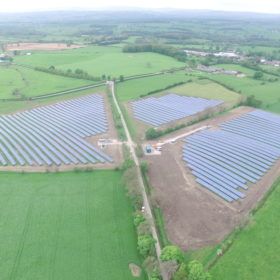
Solar ‘could soon be UK’s cheapest source of energy’
The U.K. Solar Trade Association has published a new assessment, finding that the cost of generating solar electricity in the British Isles has already fallen far below its earlier predictions, and could reach GBP 40 (US$50)/MWh by 2030.
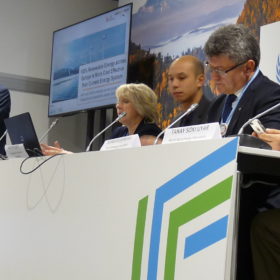
Policy plan for rapid transition to 100% renewable-powered Europe handed to politicians
Politicians take note: “The energy transition is not a question of technical feasibility or economic viability, but one of political will.” Indeed, according to a new study, it is possible to rapidly transition to a Europe 100% powered by renewables and with zero greenhouse gas emissions. Solar PV leads the charge, followed by wind. Overall, eight policy recommendations have been laid out to achieve this bold goal by 2050.
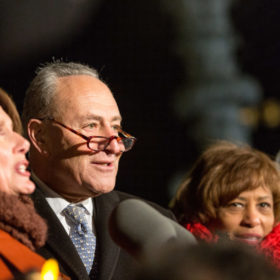
US: Top Senate Democrat calls for permanent renewable energy, storage, EV tax credits
U.S. Senator Chuck Schumer is calling for permanent tax credits for clean electricity, storage and EVs as part of a set of demands for the form of any new infrastructure package. What does this mean for solar?

$126 million earmarked for small-scale RE in Africa
During COP24, U.K. Energy Minister Claire Perry announced that her government will increase its efforts to help bring clean energy to Sub-Saharan Africa. A total of $126 million will be channeled via the REPP platform, which has already realized 18 projects with a considerable number of beneficiaries.

Industry urges policymakers to catch up with technology at COP24
The Global Solar Council has released a 15 point plan, which is largely policy focussed, alleging that the industry has down its homework to slash the costs of solar. Now its policies turn to even the playing field. In a similar effort, the World Future Council has announced that it will launch a new platform for policymakers and the industry to enable an ongoing dialogue.
