
Renewables cheaper than fossil fuel plants by 2030
A report by McKinsey & Company reinforces the widely-held view renewables will supplant fossil fuels in the energy system but also joins the chorus of voices warning the world is on track to fall well short of limiting global temperature rises this century to 1.5C.

Peeking into 2021: Green bonds to reach US$500 billion per year, solar on track to outrank oil and gas
Global management consulting firm PricewaterhouseCoopers has issued a general economic prediction for 2021. Aside from some general notes on GDP recovery post-Covid, the analysts’ notes were heavily focussed on climate and energy finance and policy.

Bangladesh mandates 2% of loans issued must be for green projects
Some 15% of the finance disbursed must fit the wider definition of being ‘sustainable’ and banks and other lenders have been warned penalties will be applied for non compliance.

EU-China Comprehensive Agreement on Investment opens manufacturing options, dodges forced-labor issues
The European Commission has finalized its long-anticipated investment agreement with China. While some renewable energy businesses might benefit from improved investment security, IP protection and access to legal remedies in China, the Commission did not address the issue of Uyghur forced labor in China. As a majority block in the European Parliament had previously demanded from the Commisison to develop a firm policy to end forced labor in China, there is reason for doubt that the agreement as it stands will be adopted by the EU Parliament.
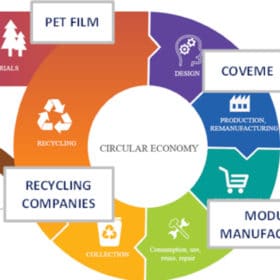
Coveme: Pushing for a greener solar industry with emphasis on material innovation
Separating backsheets from solar PV modules is one of the most challenging issues for module recycling, because of the glues involved. Given the difficulties in pulling apart the layers, which are typically made of virgin plastic, they are usually burned. However, there are some industry players taking steps to improve the design, recyclability and reusability of backsheets. One of them is Italy-based Coveme, which recently partnered with pv magazine’s UP Initiative. In the following interview, CEO Amedeo Maccolini explains what the company is doing to step UP its sustainability game.

Sweden issues €5m call for battery studies
Researchers have just under four weeks to apply for backing for their projects, in areas including battery reuse and recycling, circular manufacturing and supercapacitors.

Solar among the options as Moldova gets €5m credit line
The loan will be supplied by the EBRD and includes €1.25 million of concessional lending provided by the global Green Climate Fund.

World Bank lends $200m for South African renewables
The private sector arm of the multilateral development bank has offered a $200 million credit line to Nedbank, the first commercial bank in South Africa to offer a green bond, which it did on the Johannesburg Stock Exchange in 2019.
Bangladeshi apparel makers opt for rooftop solar
More than 500 factories have registered to make their manufacturing facilities more eco friendly in the garment exporting powerhouse and the nation’s net metering rules offer an obvious step in the right direction.
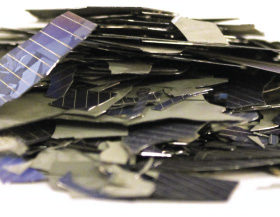
Establishing a solar module recycling system in India
Ankit Kapasi and Kishore Ganesan from SOFIES India are working on the Solar Waste Action Plan (SWAP) project in India, which is looking to investigate both the technical and economic feasibility of a PV module recycling system in the country. The pilot has been funded by Signify Foundation and Doen Foundation. The team at Sofies is working closely with technology partner Poseidon Solar and established the first PV recycling pilot plant in September 2020. The duo spoke to pv magazine India about their plant’s techno-commercial feasibility and the Indian eco-system’s readiness for PV module recycling.
