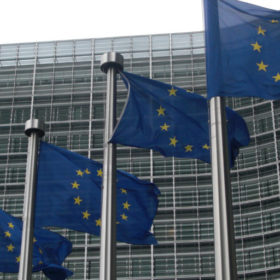
EU on track for 2030 renewables target – but could do more
With the SolarPower Summit 2020 taking place this week, organizer SolarPower Europe has assessed the plans drawn up by member states would mean the bloc sourcing 33.1-33.7% of its energy from clean power by the end of the decade, with the help of 19 GW of new solar per year.

SolarPower Summit 2020: Policy measures and open-source information key to PV sustainability
Rising volumes of solar capacity are to be welcomed but, as panelists at a session of today’s SolarPower Europe event discussed, the technology must be kept ethical and responsible. That means industry working together; new, harmonized, mandatory and voluntary policy instruments; and a focus on quantifiable, life cycle-based investor criteria.
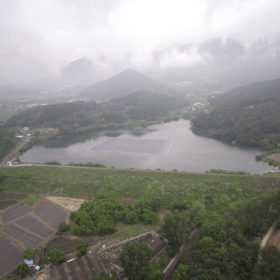
South Korean solar sector contests ‘unconstitutional’ biomass incentives
Dozens of solar companies are claiming renewable energy certificates issued for “wood-burning” biomass technology are unconstitutional as most such facilities are fueled by wood pellets co-fired with coal in older power plants. A constitutional court decision is expected within two years.
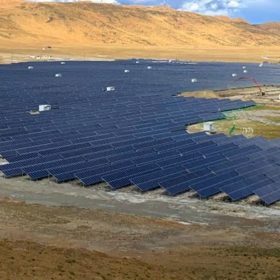
The world’s highest utility-scale solar plus storage project
Built in Gangba County, in Xigaze, Tibet, the 40 MW/193 MWh facility was deployed at more than 4,700m above sea level and is functioning as a demonstration project for the ancillary services the technology could offer the Tibetan grid.

Palestine seeks consultants for 35 MW rooftop solar program
The Palestine Investment Fund wants to install solar systems with an average generation capacity of 70 kW on 400 public schools.

By Ek! Northvolt raises $600m
The European battery manufacturer has raised the funds with a private shares placement which included the co-founder and CEO of music streaming service Spotify.
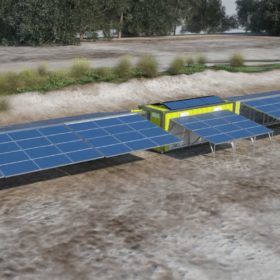
EDF buys 29% stake in French microgrid specialist Ecosun
Alsace start-up Ecosun is developing innovative microgrid solutions to provide electricity in isolated areas.
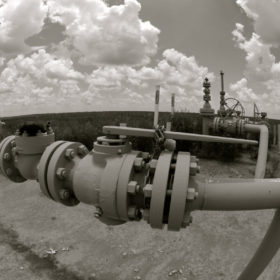
Georgia explores green hydrogen
The Caucasian nation could use its hydropower resources to generate the sustainable fuel for transport in its gas pipeline network. An agreement to cost the development of such an industry formed part of a deal which will see the EBRD lend the Georgian Oil and Gas Corporation €217 million to help it through a Covid-19-related cash crisis.
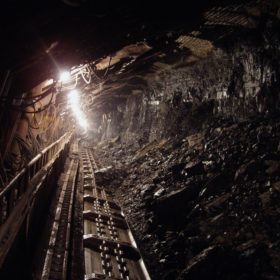
South African renewables jobs should be in coal regions
A study into the potential pitfalls of the shift to clean power in the nation’s coal-dependent energy mix, pointed out almost all of South Africa’s solar farms are far to the south and west of the coal regions likely to bear the brunt of job losses in a country which already has 29% unemployment.
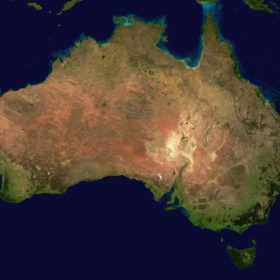
UK battery specialist considers lithium-ion cell fab in Australia
‘Lithium Valley’, south of Perth, is set for two new faces after U.K. battery manufacturer Amte Power and Perth-based infrastructure firm Infranomics signed an agreement to explore the possibility of establishing lithium-ion cell manufacturing facilities in the state of Western Australia.
