EU approves renewables incentives for Greek islands
The European Commission has given its seal of approval to a government program which will drive an estimated 264 MW of solar and wind capacity across 47 islands while they await connection to the mainland grid.
‘Africa’s leaders need to walk the walk on solar’
Attendees at an online event dedicated to rooftop solar in Central Africa called for customer incentives, tax exemptions for solar kit, feed-in tariffs, installation standards, affordable finance, grid connections and recycling policies across the region.
The weekend read: 24/7 hourly matching – a new granular phase of renewable energy sourcing
It’s what Google calls its “biggest sustainability moonshot yet” – 24/7 hourly matching – a new granular phase of renewable energy sourcing. The pursuit of 24/7 moves beyond buying enough renewable energy to match annual consumption, to matching consumption every hour of every day. Some say 24/7 matching could push up the price of renewables, but others say 24/7 is the only way to drive home decarbonization, minimize greenwashing, and create a truly net-zero energy system.
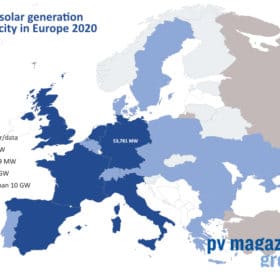
EU member states charging toward unambitious PV targets – SolarPower Europe
The national goals set by European countries two years ago already look hopelessly out of date thanks to the global PV boom. The Euro trade association for the industry has called for ambitions to be radically scaled up in 2023 if the world is to have any chance of capping temperature rises at 1.5C.
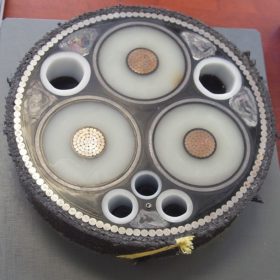
New subsea cables for the UK
Another round of the so-called “cap and floor” regime is expected to be held next year and will help the U.K. reach a total electricity interconnection capacity of 16 GW by 2030. The new interconnectors will likely be intended to harness large amounts of power from big offshore wind farm clusters in the North Sea.

Grid software solution could more than double network capacity for renewables with no new infrastructure
With Scottish company Smarter Grid Solutions having already seen its software deployed in the U.K., a pilot project in New York State has been a resounding success for a grid solution the NREL has predicted could unlock swathes of network capacity without the need for new power lines.
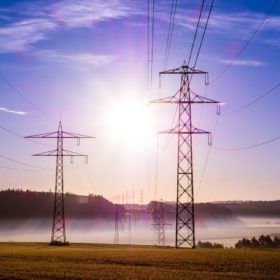
US solar sector shoring up resilience to cyberattacks
As solar and storage technologies are deployed on the U.S. grid in record numbers, there’s no time like the present to take steps to prevent solar and storage from cyberattacks.

Record solar numbers expected this year but IEA highlights pricing concern
The Paris-based body expects the world will have installed almost 160 GW of solar this year, a record number, but still not enough to keep the prospect of a net zero global economy by mid century in sight.

Belgian network to host 25 MW/100 MWh battery for grid services
The energy storage system, which is set to be up and running in around a year’s time, will be supplied by Finnish company Wärtsilä and will provide services including reserve power and frequency control response.
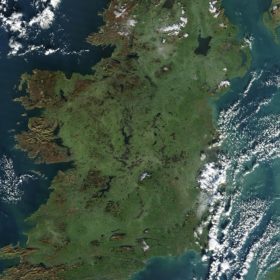
Ireland cites need for 1.9 GW more solar this decade to stay on track for net zero
Although wind power dominates the renewables scene in the Republic of Ireland and the North – and even natural gas has a bigger role to play – the grid companies of the neighbors have revised up their estimates of how much solar will be needed, after talking to the public and industry.
