
Sahel regional leaders give new push for 10 GW Desert to Power initiative
The African Development Bank last year disclosed a plan to install 10 GW of solar in the deserts of the Sahel. A recent summit held in Burkina Faso may have brought the ambitious project a step closer.

EU approves Eon’s bid to take over Innogy
It took a while, but now the energy giants can finalize the mega deal. Rival energy companies have criticized approval of the deal amid fears Eon could dominate the German market.
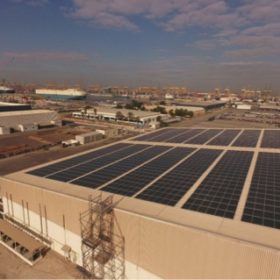
Dubai has 106 MW under net metering
Most of the generation capacity – around 63 MW – was deployed in the emirate over the last 14 months.

Colombia imposes renewables quota on power distributors
The obligation will be applied annually from 2022. The clean electricity required will have to be bought through power purchase contracts of at least 10 years’ duration.
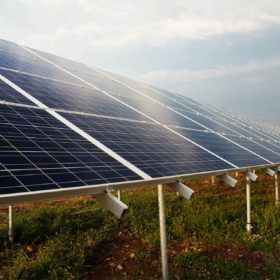
Solar-plus-storage vs grid enhancement part II
Grid expert Andrea Mansoldo tells pv magazine how energy markets based on solar and storage are feasible as an alternative to costly grid infrastructure work. He says around 6 GWh of battery capacity may be a good alternative to building 1000km of power line or an AC 750 kV high-voltage line.
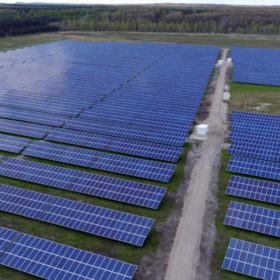
Germany will need 160 GW of solar by 2030 to prevent power shortages
EuPD Research has calculated what needs to be done to replace the nuclear and coal generation to be phased out in Germany. Accelerated expansion of PV appears the best short-term option. However, storage capacity will need to increase 30-fold by 2040 so solar can become the main pillar of the country’s energy system.

The energy transition is easily affordable but all hope of 1.5C warming will vanish in 2028
Technical consultancy DNV GL has published its Energy Transition Outlook 2019. While the electric vehicle, storage and renewable energy industries are likely to see significant rises in demand, the sobering conclusion is the world will miss carbon reduction targets by a long shot.
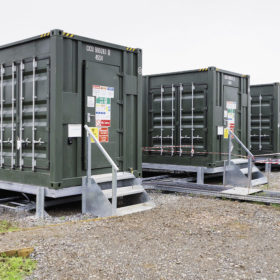
Big storage comes to Ireland
A 200 MW storage project is being developed by Hanwha Energy Corporation and Lumcloon Energy. The €300 million facility is intended to stabilize the grid to host more renewable energy capacity.

Zimbabwe launches 235 MW solar tender
The Infrastructure Development Bank of Zimbabwe has issued a request for proposal to seek partners for the development and construction of seven solar parks, with a combined generation capacity of 235 MW, plus two mini-hydro power projects.

RES battery prevented complete blackout in the UK
On August 9, a thunderstorm caused 1.5 GW of generation capacity to go offline within seconds in the U.K. The incident caused millions of households to temporarily lose power but the situation could have been considerably worse if not for the country’s battery storage reserves.
