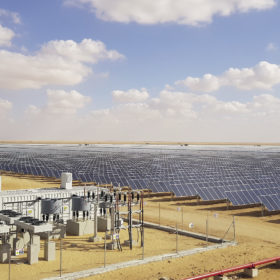
Three realities for MENA storage
The energy storage sector in the Middle East and North Africa (MENA) region is shaped by three distinct realities, each driven by vastly different economic, political, and social forces. These include capital-rich mega-projects, commercial sectors grappling with fossil fuel subsidy reforms, and conflict-affected nations where offgrid power is a matter of survival.
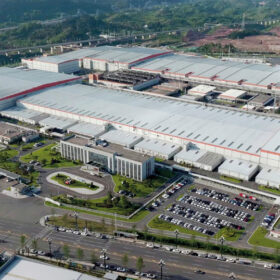
The battery cost disconnect
For years, the battery energy storage (BESS) story has followed a familiar script: costs fall, deployment accelerates, economics improve. Even when cell costs rose and system prices briefly flattened during the 2021-22 lithium price spike, the narrative largely held. Paola Perez Peña, senior principal analyst at S&P Global Energy, examines why the latest jump in lithium prices has only had limited impacts on overall BESS costs so far.

Secure in solar
Mark Hutchins introduces the April 2026 issue of pv magazine Global, featuring updates on recent disruptions to the global energy supply, and what solar can do to ensure resilience in these times.

Resisting rust
Over a 30-year asset life, corrosion can evolve into a structural, electrical, and fire safety issue. Corrosion drives up operations and maintenance (O&M) costs, reduces resilience to extreme events, and in some cases, can force premature decommissioning or complete structural replacement Intertek CEA’s Nicholas Hudson and Ankil Sanghvi advise on best practices.
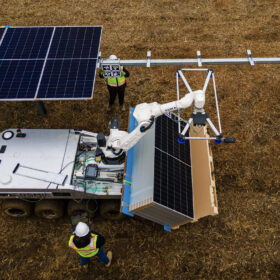
Robots taking the load off installers
Compared to some industries, construction has been slower to adopt automation. Most projects are custom designed, and work needs to be done on-site rather than on a factory floor. However, robots are an increasingly common sight at large-scale PV construction sites. Helge Biernath, CEO of California-based PV construction contractor Sunstall, shares his experience integrating installer robots into projects.
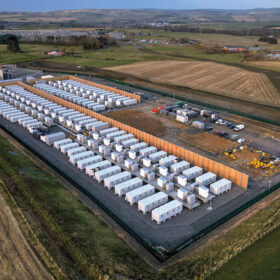
Resilience in the inverter age
Maintaining grid stability becomes more challenging as the share of intermittent renewables grows in the electricity generation mix, but system resilience is essential to continued solar deployment. Grid-forming inverters offer a solution, and their capabilities are increasingly being tested and relied upon in key energy markets globally. Major inverter and battery energy storage system (BESS) manufacturers see opportunities here too and are jockeying for position with pilot projects and product launches, as Matthew Lynas reports.

Reframing energy
In a new report, energy think tank Ember sets out an alternative way to look at the energy system, which it argues better takes into account the electrification of various industry sectors, along with other changes shaping the future of the energy system. pv magazine spoke with Ember Principal Daan Walter about why taking the perspective of a consumer rather than a supplier offers a better understanding of the energy system and its changing shape.

Prepare for launch
Human activities in space have been solar powered for more than 70 years. Now, as the space industry accelerates, new opportunities are emerging for specialized solar manufacturers, writes Jake Veloza of Eternal Sun Wavelabs. The extreme and unforgiving conditions of space demand a high level of performance and durability, and accurate testing methods will be needed to get these new solutions off the ground.
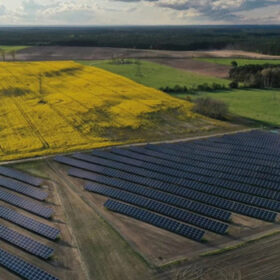
Poland’s battery test case
As European energy storage markets accelerate, a 150 MW/300 MWh project now under construction in northern Poland is testing whether appropriate commercial structures can survive regulatory turbulence – and potentially provide a blueprint for other installations that follow, as Brian Publicover reports.

Tensions test solar supply
The US-Israeli conflict with Iran is unlikely to materially affect solar manufacturing projects in the Middle East for now, as most of these investments remain at an early stage. OPIS analyst Brian Ng sees the most immediate risk in logistics. If disruptions persist, shipments of solar products into the region could be delayed and export pricing may turn volatile.
