
New Zealand identifies 11 GW solar potential
The nation already meets well above 80% of its electricity demand from renewable energy. With e-mobility and electric industrial processes on the rise, higher demand has created new development opportunities.
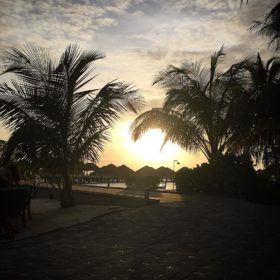
Maldives or Mauritius? No dilemma for solar
In Mauritius, a 16 MW grid-tied solar power plant aimed at reducing coal and oil consumption was commissioned last week, while in the Maldives the Scaling Up Renewable Energy Program (SREP) is supporting the archipelago’s efforts to committ to clean energies through a 5 MW solar tender.
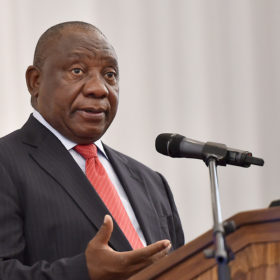
South African renewables may be boosted by plan to privatize utility
President Cyril Ramaphosa has announced a plan to rescue state-owned power company Eskom by separating it into three units. According to consultants Frost & Sullivan, although that may not be enough to completely address the utility’s financial crisis it may further encourage investment in renewables.
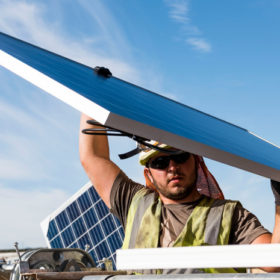
Financial backing for study of grid effects in Australia’s booming distributed generation market
The Australian Renewable Energy Agency has awarded AU$9.6 million in grants for five projects and seven studies into the role of distributed generation assets on the grid – and how to expand their penetration.
EBRD helps Ukraine switch to auctions
The European Bank for Reconstruction and Development is seeking consultants to support Ukrainian authorities in setting new renewable energy targets and to give advice on how to shape the procurement process for large-scale renewables projects.

Bangladesh issues tender to develop up to 60 MW of solar
Through the procurement, the Bangladesh Power Development Board is seeking developers for the construction of grid-connected solar power plants on a build, own, operate basis.
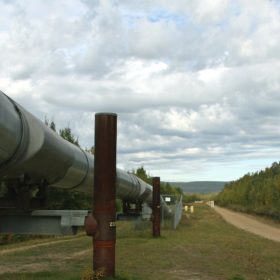
The weekend read: From solar to gas
The opportunities for power-to-gas have long interested the solar community, but large-scale projects have been exceptionally rare. The outgoing CEO of SolarPower Europe, James Watson, has presided over a transformative period at the organization, and departed in January to head up Eurogas – right at the point the region’s solar sector is set for revival. Advancing a power-to-gas agenda, Watson tells pv magazine editor in chief Jonathan Gifford, will be a big part of his new challenge.
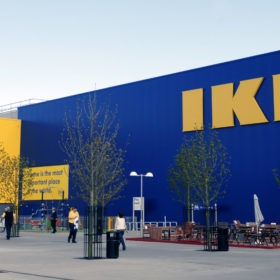
Ikea begins online sale of PV panels in Italy
A few weeks after launching the sale of its “Solstrale” modules in Germany, the Swedish furniture giant also began offering online its PV panels and systems throughout Italy.
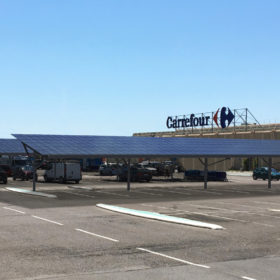
Carrefour deploys solar on 36 superstores in France
The French retailer will use energy generated by the PV installations exclusively for self-consumption. The projects will be developed by French developer Urbasolar.
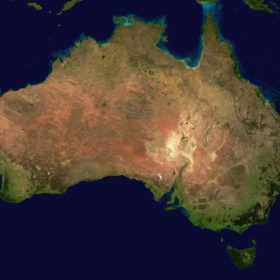
Australia on track for 50% renewables by 2024, at “zero net cost”
Clean energy is driving the country to its Paris commitments well ahead of schedule. The Australian National University published findings today that conclude Australia is on track to hit 50% renewable electricity in 2024 and 100% in 2032 – at a net cost “of approximately zero”. Despite the good news, the Clean Energy Council warned federal policy may see the opportunity squandered.
