
EU provides €6m lending facility for Albanian energy efficiency measures, including PV panels
The owners of private buildings will be eligible to borrow for measures including solar panels and insulation, with the funds to be distributed by the domestic Union Bank.

US: Democrats control the House. Now what?
The new Democratic majority in the U.S. House of Representatives will still need to deal with a Republican Senate and president, and is unlikely to take bold action.
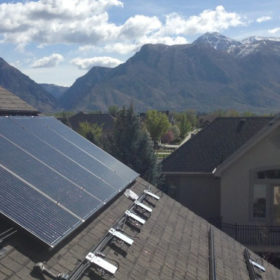
Enphase sold out into 2019, margins way up, projections bright
Enphase’s 3rd quarter results saw revenues at $78 million with an estimated $10 million sales shortfall due to a component shortage, as the company shipped 204 MW of inverters. Future speculation saw an international play on the IQ8, the SunPower partnership, and energy storage driving growth.

Singulus doubles up on CNBM production equipment order
A day after signing a 300 MW production capacity deal with the building materials company, the German company has announced exactly the same order – with the same customer – for a facility elsewhere in China.
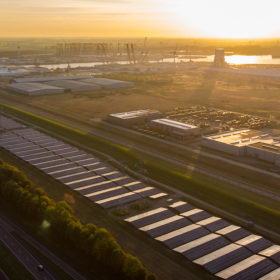
The Netherlands installed 658 MW of PV in the first half of this year
New solar installations in the country reached the milestone in six months, according to Dutch New Energy Research, which publishes its first Dutch Solar Quarterly report today.
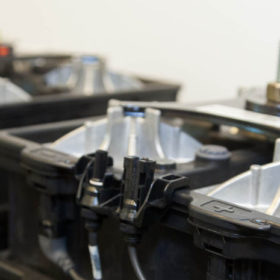
Annual scorecard will rate battery systems for developers
The first annual Battery Performance Scorecard has turned up interesting findings, including the fact high temperatures can help or hinder power output – depending on the product, and seemingly in equal measure.
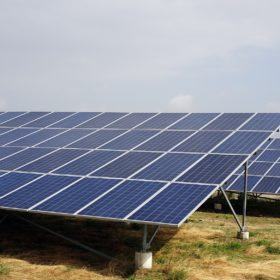
Indian PV procurement leapt to 3 GW in October figures
Developers gave short shrift to warnings about depreciation, protectionism and tax headwinds as tendering and auction figures soared, but shied away from tough price caps set for the Solar Energy Corporation of India’s procurement exercises.
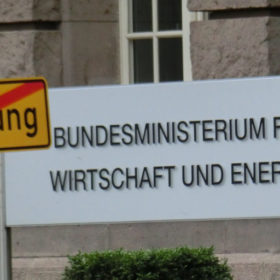
Germany concludes draft detailing drastic cutbacks for PV systems 40 kW and over
In addition to solar subsidy cutbacks of around 20%, planned for the start of 2019, the German Federal Ministry of Economics’ draft Energy Sources Act includes special tenders for PV and onshore wind. While many say the cuts cause great uncertainty for large-scale project developers, politician Peter Altmaier sees it differently: the energy transition is becoming safer and more affordable, he says. The decision to adopt or change the act now lies with the Federal Parliament.
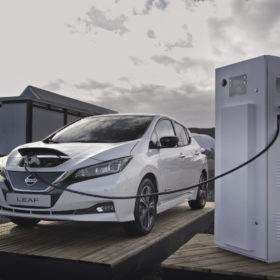
What’s in store for storage? $620bn
The rise of batteries will attract that headline figure in investment up to 2040, say analysts, as exponential growth in EV ownership, falling stationery system costs and the needs of the world’s grid-poor regions combine to boost lithium-ion technology.
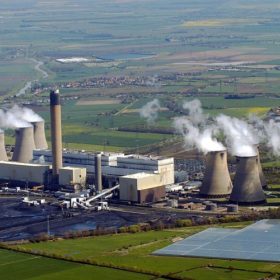
Renewables overtake fossil fuels in UK installed capacity
A report published today by U.K.-headquartered energy company Drax says that, for the first time ever, total generation capacity available from renewables has overtaken that of fossil fuels on Britain’s electric grid.
