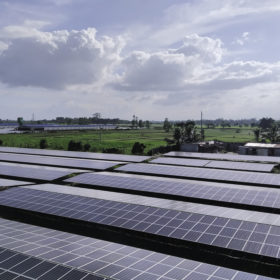
50 MW PV plant ready to connect in Bangladesh
A 50 MW PV project, located in northern central Bangladesh’s Mymensingh district, has begun supplying electricity to the national grid. Full commercial operations for the plant are expected to begin in January.

US developer Eleris plans 2.2 GW of solar in Bangladesh
The proposal includes 1 GW of solar farms on an army training base island in the estuary of the Meghna river.
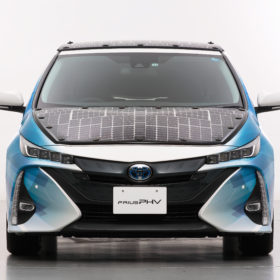
Bangladesh plans to attract EV manufacturers
The government has drafted an industrial policy to try and attract electric vehicle production lines, and even solar-powered car producers, to the country.
Water-based cooling technique for photovoltaic-thermal systems
The novel technique consists of a PVC pipe with 20 holes that is placed on the top of a PV module and is able to maintain a constant discharge of water. It was demonstrated on an experimental photovoltaic-thermal PV system in which the PV panel was not integrated with the solar collector but connected to it via pipes.
Bangladesh outlines plan for up to 40 GW of renewables in 2041
The most ambitious scenario fleshed out in a draft National Solar Energy Action Plan includes 16 GW of project capacity at large scale ‘solar hubs’ but actions will speak louder than words in a nation set to fall short of its current clean energy target.
German company scores $9m solar pump order in Bangladesh
Raach Solar and its Power Utility Bangladesh Ltd local partner have landed two contracts to supply more than 700 pumps in the north-western Bogra district, with the Asian Development Bank footing the bill.
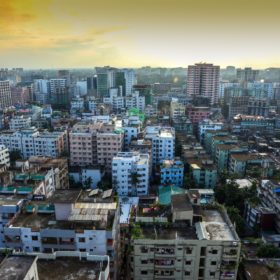
Bangladeshi renewables regulator vows to supply skilled solar workforce
In the wake of recent reports highlighting a global lack of clean-energy skills training, the country’s Sustainable and Renewable Energy Development Authority has said it will work with private companies to set up vocational courses.
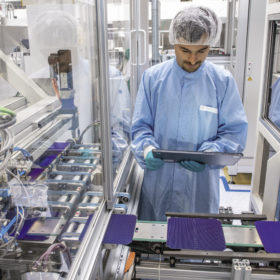
IRENA presents $2tn plan to drive 5.5m renewables jobs by 2023
Doubling down on renewable energy investment and energy transition spending is required to ensure a truly green global recovery from the Covid-19 crisis and its economic aftershock, claims the International Renewable Energy Agency.
Indian developer plans 50 MW solar plant in Bangladesh
Hero Future Energies wants to make India’s first contribution to grid scale solar in its northeastern neighbor. Plans for a 100 MW plant have been stymied by the power evacuation equipment available at the Khulna site.
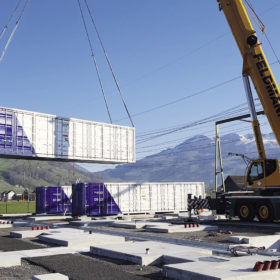
Bangladesh set to embrace gas, rather than renewables
A national energy strategy which prioritizes coal is being ripped up just two years after its introduction, thanks to Covid-related slumps in demand, but legislators appear likely to look to gas, rather than solar and wind power as an alternative, due to land issues and energy storage costs.
