
Ukraine to hold first auctions for wind and solar next year
According to provisions approved in their first reading by the Ukrainian parliament, solar projects selected in future auctions will be awarded 20-year PPAs to encourage investors to steadily abandon the FIT scheme until it expires in 2030.
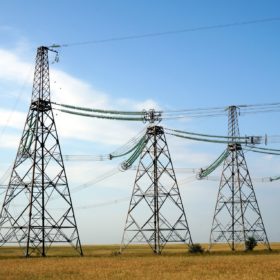
Risen Energy completes 40 MW solar project in Kazakhstan
Since 2012, Kazakhstan has shown increased interest in its energy transition and put in place supportive regulations. The country lies in the path of China’s ‘One Belt, One Road’ initiative, which unlocks large-scale infrastructure investments.

US leads as the volume of corporate clean energy bought smashes record
Companies in the United States accounted for more than 60% of the clean energy deals signed by corporations worldwide last year, according to BloombergNEF. A proposed renewable portfolio standard for Chinese business, though, could turn the picture upside down in a year’s time.
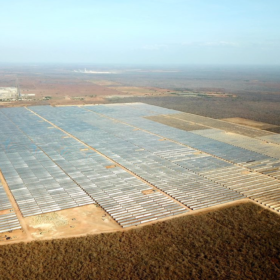
Scatec off to a strong start in 2019 with solid financials and pipeline additions
Having put key PV projects into commercial operation, the company is capitalizing on their production. Scatec also has twice its current installed capacity under construction and nearly fourfold that amount – more than 4 GW – in the pipeline as 2018 expectations were surpassed.
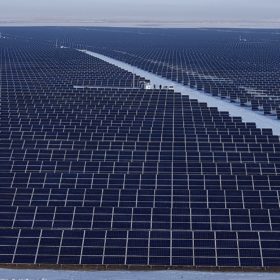
100 MW Saran solar park commissioned in Kazakhstan
The SES Saran solar project is in the Karaganda region. The project was financed by the European Bank for Reconstruction and Development and built by German developer Goldbeck.
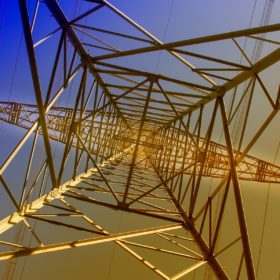
EU clean energy transition receives an €800 million boost
The funds will come from the Connecting Europe Facility. Around €504 million will be used for electricity infrastructure and smart grids and another €286 million will be devoted to gas. The remaining €9 million will be allocated to studies on the development of carbon dioxide transport infrastructure.

Solar installations see an unprecedented boom in Estonia
The Baltic nation installed 90 MW of PV last year, four times more than it had done since it began adopting solar. The growth was down to a new regulation issued by the government in June and the big push came mainly from small installations.

Romania’s solar rooftop rebate scheme ready to kick off
From Friday, Romanian homeowners and businesses may file applications for rebates that could cover up to 90% of the cost of rooftop arrays, provided the grant does not exceed $4,830. Applications will be accepted until March 1.

Enel touts €1bn green bond and bags 70% of Polish demand response market
The energy giant’s finance subsidiary placed a bond in Europe to finance its renewable energy and infrastructure projects and secured 70% of Poland’s demand response capacity market for the 2021-2023 period, in the first auctions of their kind in the nation.

Statkraft plans its first floating solar plant in Albania
Norway’s state-owned hydropower and wind company intends to deploy a 2 MW floating installation at its 72 MW hydropower plant in Albania’s Elbasan district.
