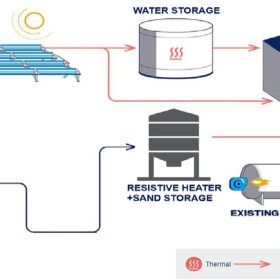
Hybridizing PV, sand storage, solar thermal energy for steam generation
A Finnish-Swedish consortium has designed a hybrid system that uses photovoltaics and solar thermal energy separately to provide steam to industrial facilities. The PV unit is coupled to a sand-based thermal storage system and reportedly contributes to lower the levelized cost of energy of the entire system.
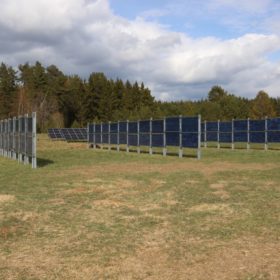
New method to avoid overvoltage in vertical PV linked to low-voltage grids
A research group in Finland has created a new workflow to prevent voltage rises in bifacial vertical PV systems located at high latitudes. According to their findings, vertical bifacial PV may have a 46% higher power yield compared to monofacial conventional counterparts in the Nordics, while also having an improved temporal match between PV generation and consumption.
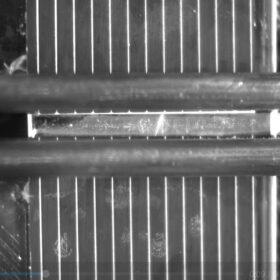
Novel non-contact soldering technique for ribbon tabbing in solar cell manufacturing
Finnish scientists have tested a new eddy current-based soldering method for ribbon tabbing in solar cells and have found it considerably reduces the number of cracks and damages caused by thermal-mechanical stress in the process. They claim the new technique may already compete with conventional soldering methods in commercial production.
The Hydrogen Stream: Northern Europe can produce green hydrogen
Finnish researchers have said in a new report that northern European countries could produce cheap hydrogen domestically, while TotalEnergies, Schneider Electric and other companies signed new hydrogen project deals.
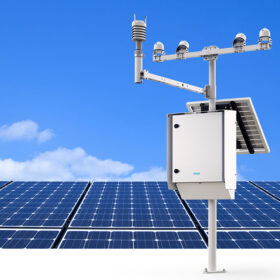
Vaisala launches automated weather station for utility-scale PV
Vaisala, a Finnish environmental measurement specialist, has developed a solar-powered weather station to optimize the performance of solar plants. It provides ongoing measurements of solar irradiation and various weather parameters, such as wind speeds.

The Hydrogen Stream: Norway, Finland take the lead in Europe
Plug Power has revealed plans to develop three green hydrogen production plants in Finland, while Statkraft is set to increase its investments in the German hydrogen market.
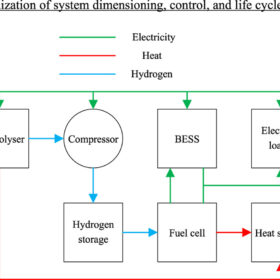
How to combine offgrid PV, heat pumps, and fuel cells in residential complex
Finnish researchers have studied different scenarios to convert a Nordic oil-heated townhouse into a carbon-neutral building. They dimensioned an off-grid PV-powered heat pump system using waste heat recovery from a hydrogen storage system and calculated its life-cycle cost. They concluded that the solution is less profitable than grid-connected systems.
The Hydrogen Stream: Lhyfe, Centrica to develop offshore green hydrogen
Lhyfe has revealed plans to jointly develop offshore renewable green hydrogen with Centrica in the United Kingdom. Separately, the Paris-listed hydrogen producer said it has also acquired a stake in Finland’s Flexens.

Light redirecting film to improve heterojunction solar module performance
Finnish technology company Intelligent Control Systems has conceived a light redirecting film that purportedly reduces energy losses in the edge area of heterojunction solar cells. It claims the film may increase the power conversion efficiency of a heterojunction module by up to 0.75%.
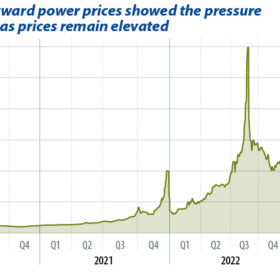
State of the (European) union
Gerard Reid, co-founder of corporate finance advisory Alexa Capital, considers whether the EU is up to the task of dealing with the twin threats of the energy crisis and the pull of a revitalized US clean power industry.
