
Covid-19 weekly briefing: A cold wind for APAC renewables, respite for Indian developers and another salary cut for SunPower execs
The coronavirus epidemic continues to batter the global economy, including the solar industry, but falling demand during lockdowns has brought negative energy prices as well as helping drive record solar generation, amid less-polluted skies.
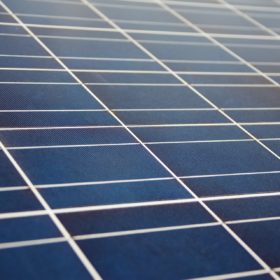
Indonesia’s first PPA for large scale solar
Coal producer SESM is planning a 10 MW off-grid hybrid solar plant in South Sumatra. A palm oil producer will buy the solar electricity generated under a 20-year power purchase agreement.
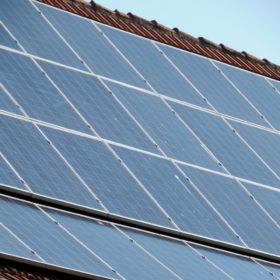
Germany tops global league table for renewable energy
A list compiled by a British price comparison website draws upon data from German company Statista which shows clean energy – including hydro – made up 12.74% of the nation’s power mix at the end of September.
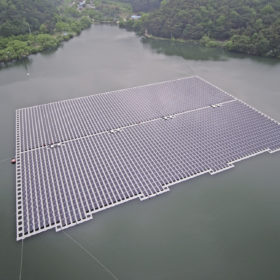
Masdar to install 145 MW of floating PV in Indonesia
Abu Dhabi-based renewable energy group Masdar is sailing into the Southeast Asian solar market with Indonesia’s first floating solar project. The petro-state owned developer says the facility will be the largest in the region.
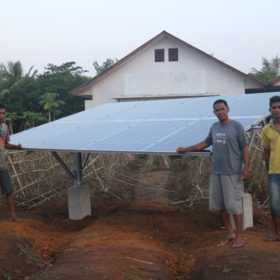
Shedding lights on Indonesia’s off-grid sector
Indonesia’s Central Bureau of Statistics reported in 2018 that 2,281 villages had no access to electricity. With more than 17,000 islands, building grid connections between them would be expensive. So what are the key challenges and solutions to the development of rural area electrification in Indonesia? pv magazine interviewed three experts that are involved in developing the country’s rural area electrification.
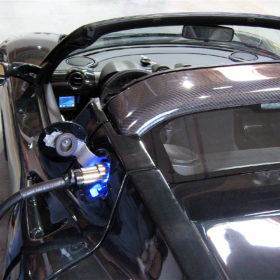
Indonesia plans domestic electric vehicle industry
A presidential decree has enacted a range of incentives for e-mobility roll-out with domestic content requirements increasing over time.

Clean energy must be rolled out six times faster
To have any hope of restricting global heating to a maximum of 1.5 degrees Celsius, the renewables success story which saw 108 GW of solar deployed last year needs to be cranked up to the next level – and fast.
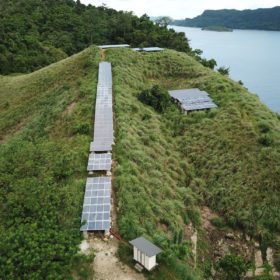
Solar-plus-storage vs grid enhancement – Part VI
Two projects have been deployed by Canopy Power on private islands in Indonesia. The two 52.5 kW/77 kWh mini-grids were the only alternative to diesel generators due to the lack of a connection with the grid on the island of Batam. The projects – which rely on REC Solar modules, SMA inverters and a storage system from Tesvolt – provide around half of the energy required on their respective islands.

The weekend read: PV could help clear Indonesia’s air
The Institute for Essential Services Reform (IESR), an Indonesian think tank, has reported that the country has the potential to install up to 655 GW of rooftop PV capacity. Contrast that with a current installed capacity of just 100 MW, and it’s clear that solar PV still has a long way to go before it reaches its potential throughout Indonesia. Given the poor air quality in many heavily populated cities across the archipelago, PV deployment is long overdue in the Southeast Asian nation.
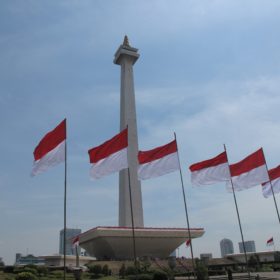
Indonesia improves rules for rooftop PV
The government has amended two regulations and introduced a new one to spur development of rooftop PV. The new provisions increase the size of systems eligible for net metering payments and reduce fees for industrial installations.
