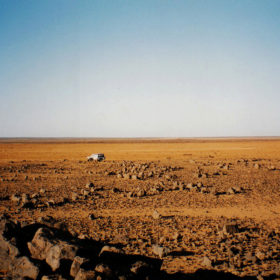
ACWA Power to develop 61.3 MW in Jordan under record-low tariff
The Saudi Arabian power group and the Jordanian government have agreed to build the project in the eastern province of Risha by the first quarter of 2019.
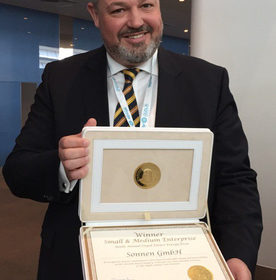
Sonnen wins US$1.5 million Zayed Future Energy Prize
The German battery manufacturer was chosen by the prize as the winner in the small & medium enterprise category. Sonnen CEO Christop Ostermann received the US$1.5 million award at the opening ceremony of the World Future Energy Summit in Abu Dhabi.
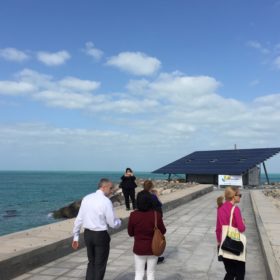
Solar PV powers desalination plant in Abu Dhabi
Solar PV’s dynamism stems from its ability to take on different forms. An emerging application for the technology is seawater desalination using electricity generated through solar PV.
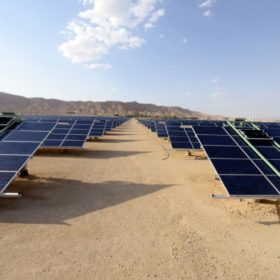
Ecoppia completes 40 MW deployment on Israel/Jordan border
The Israeli manufacturer today announced that it has completed the retrofitting of its robotic cleaning technology to the 40 MW Ketura solar plant in southern Israel.
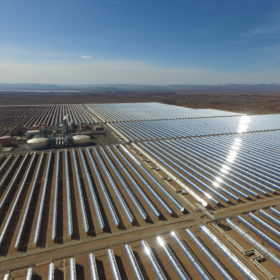
Morocco: 170 MW of solar PV at €0.042/kWh
Masen, Morocco’s public agency for renewable energies, has revealed that Acwa Power will develop 170 MW of solar PV plants in the country at a rate of €0.0422 per kWh.
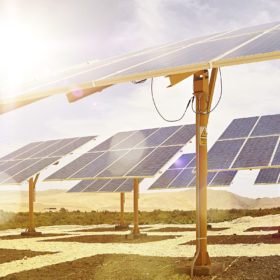
Solar on course to become the world’s cheapest source of energy within the next 10 years
The dramatically falling costs of solar energy from the supply chain to the final product could see the average global price of solar power become cheaper than coal within the next 10 years, according to Bloomberg New Energy Finance, which is a position echoed by other experts.
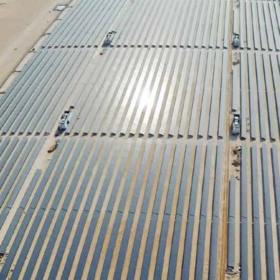
DEWA confirms 200 MW solar project is 80% complete
The record-breaking second phase of the Mohammed bin Rashid Al Maktoum Solar Park is now over 80% complete, with progress going well for the April 2017 completion target, as the park continues to grow with an eventual goal of being 5 GW in size.
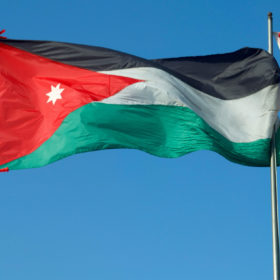
Masdar signs PPA with Jordan’s NEPCO for 200 MW solar plant
The UAE-based clean energy developer has agreed a PPA deal for its 200 MW PV plant in Jordan with the Kingdom’s National Electric Power Company.
Jordan initiates the Green Corridor tender; increases PV target
The week has seen excellent news for solar in Jordan, which has initiated the tender of the vital Green Corridor project and increased its national target for solar PV. pv magazine reports the latest development from Jordan’s capital city Amman.
Istanbul’s energy paradox: shortages but no embrace of PV
Turkey’s largest city, with a population about 14 million people, could face an acute electricity shortage, confirms the Turkish energy minister. However, paradoxically, Turkey’s energy ministry has not made plans for a solar rollout. Instead, it continues to rely on coal.
