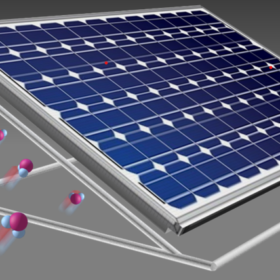
Harvesting atmospheric water to cool down PV panels
Scientists from Saudi Arabia have proposed a new PV panel cooling technique which employs an atmospheric water harvester. The device uses waste heat from the PV panel to collect atmospheric water at night and then releases it during the day to cool down the module. The researchers claim the device may also be improved to produce liquid water, which could be used for the cleaning of the modules.
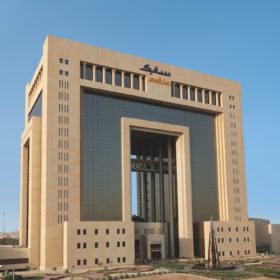
A 3 GWh redox flow battery factory in Saudi Arabia
German production equipment provider Schmid and Saudi chemical group Sabic are planning to begin activities at a new factory in Saudi Arabia, with production being expected to begin in 2021.
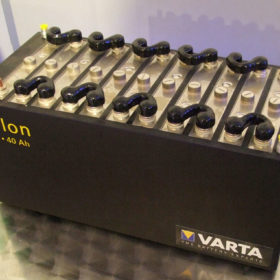
Lithium-ion storage is here to stay
A German-Israeli research group has gathered for three days to discuss which storage technologies may outperform lithium-ion batteries in the future. They concluded that there is no such a thing as a “post Li‐ion” era in sight. They recommended a “side‐by‐side” approach for multiple technologies in different applications, as well as the hybridization of technologies. The group highlighted the strong potential of redox flow storage, which in their view may outperform Li‐ion, although only for stationary applications.

SolarEdge braced for Covid-19-related dip in record revenues
The Israeli inverter maker again posted a robust set of quarterly figures but is anticipating a dip in performance during the current three-month window as pandemic-driven lockdowns take effect in its markets.
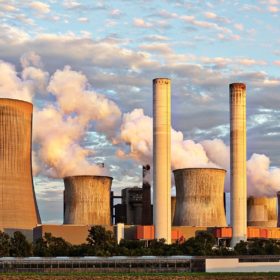
Covid-19 weekly briefing: Evidence abounds of renewable energy gains at the expense of fossil fuels as the clamor for a green recovery rises
Portugal set a new coal-free record because of the pandemic as Belgium and Israel moved to help the renewables industry. But there was grim news in Mexico and Turkey, and Bangladeshi clean energy firms have appealed for more assistance.
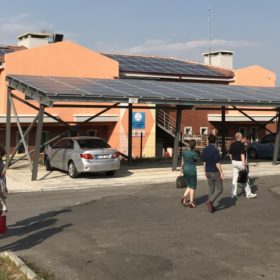
Covid-19 puts brake on Turkey’s solar sector
The energy regulator has suspended part of the licensing process for net metering applications, bringing the country’s PV sector to a halt.
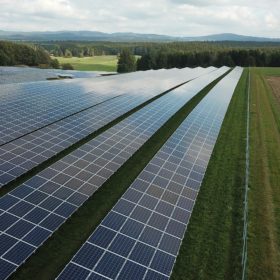
LCOE from large scale PV fell 4% to $50 per megawatt-hour in six months
Analysts at Bloomberg New Energy Finance say the lowest-cost projects financed in Australia, China, Chile and the UAE in the last six months hit a levelized cost of energy of just $23-29/MWh and the best solar and wind projects will produce electricity for less than $20/MWh by 2030.
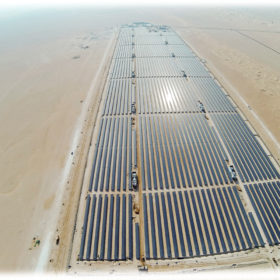
The 900 MW fifth phase of 5 GW solar park moves forward in Dubai
The $570 million fifth phase of the project will sell power at $0.016953/kWh under a 25-year power purchase agreement. It is scheduled to go online in the second quarter of 2021.

Covid-19 weekly briefing: Merchant solar developers could seek shelter in return to subsidies and PPAs are being revisited, but at least the Irish are coping with lockdown measures
The unfolding effects of the Covid-19 crisis, and fears of a possible second wave, have split analysts trying to guess how the unsubsidized renewables market will emerge as slumping demand continued to distort power markets. pv magazine rounds up the week’s coronavirus developments.

Israel’s plan to recover from Covid-19 crisis includes 2 GW of new solar
The country also intends to continue the procurement exercise for the Dimona solar power plant in the Negev desert. The Israeli government also will try to remove barriers to facilitate rapid and efficient development, while improving the grid-connection process for projects.
