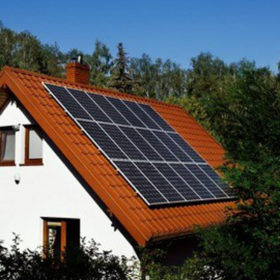
Ikea’s solar offer in Germany criticized by consumer association
The Verbraucherzentrale NRW says advertising for the Solstråle solar system is misleading and has warned the furniture provider and its partner Solarcentury Microgen (Deutschland) GmbH it will begin legal action if the campaign is not changed.
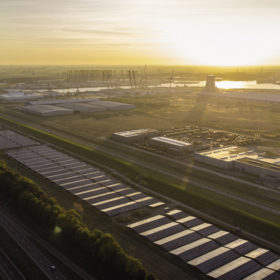
Another 3 GW on the way for the Netherlands PV market
The slew of new capacity will come from projects allocated from the bids received for the autumn 2018 round of the SDE+ program for large scale renewables. The Dutch Central Agency for Statistics revealed new PV additions last year were 200 MW more than predicted, at 1.5 GW, and the government last week announced net metering conditions for rooftop solar would be maintained until 2023.
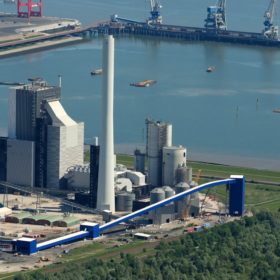
Engie to sell 2.3 GW of coal power assets
The French energy company has decided to sell its coal-fired power plants in Germany and the Netherlands to U.S.-based private equity firm Riverstone.
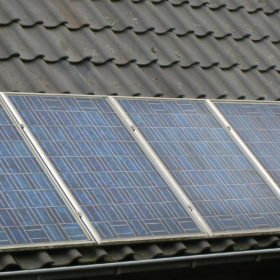
Netherlands to maintain current net-metering conditions until 2023
The Dutch government has confirmed it will maintain its net-metering scheme in its current form until 2023, with plans to then gradually phase it out by 2031. Net metering has been behind the steady growth of PV in the country in recent years, and was also the main market driver in the earliest stages of its solar development.
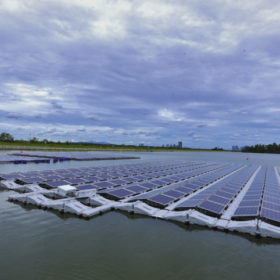
Dutch government plans 100 MW floating PV project at dredging spoil depot
Two government agencies and the Port of Rotterdam are planning to deploy the installation at De Slufter, a 250-hectare depot for contaminated sediment.
The Netherlands: PV’s Iron Throne
While relatively small compared to its more populous neighbors, the Netherlands has a history of punching above its weight. This is certainly true of its solar market in 2019, writes Rolf Heynen from Dutch New Energy Research. And for companies awake to the nuances of its policy settings and market opportunities, The Netherlands could prove a jewel in the European solar crown.
Global renewables R&D will further drive down energy transition cost
The Netherlands’ Organisation for Applied Scientific Research says renewables would not only contribute to a cheaper energy system but would also create more opportunities for new business, exports and jobs – as well as a cleaner environment.

Australia and India helped make up for Chinese solar retreat last year
The world had more than half a terawatt of PV generation capacity at the end of last year as emerging solar markets picked up the slack caused by Beijing’s subsidy about-turn to the tune of a 20% rise in installations outside China.
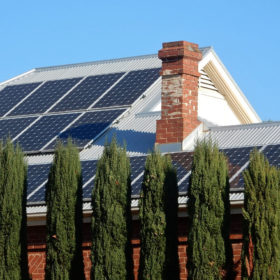
Cross-mating of connectors was chief cause of Netherlands PV fires
According to an investigation conducted by public bodies, cross-mating of connectors was the main common denominator of the incidents studied.
Europe’s largest floating PV project under development in the Netherlands
Dutch developer Groenleven is planning a 48 MW floating installation at a depleted sand extraction site near Emmen, in Drenthe province.
