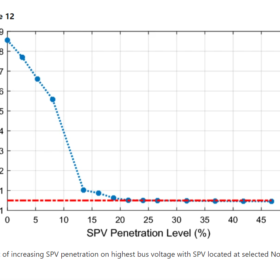
Large-scale PV could improve voltage of weak grids in Nigeria
Researchers have discovered that large-scale PV arrays could enhance the voltage stability of northern Nigeria’s electricity grid.
‘No limit to the number of mini grids which can be installed in Nigeria’
U.S.-based Husk Power Systems has installed six solar mini-grids in the West African nation and aims to build more than 500 by 2026 with the help of World Bank funding.
Cheaper wholesale solar equipment through $10m group-buying fund in Nigeria
Two investors backed by the charitable foundations set up by energy giants have seed-funded the cash pot to lend to African solar companies, who will be able to buy solar kit cheaper thanks to the economies of scale offered by the aggregation of orders.
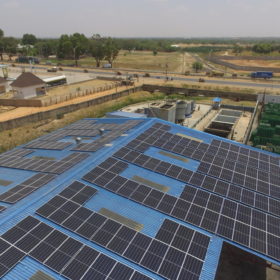
Soft drinks business wants to be biggest industrial solar user in Nigeria
An initial 1.44 MW of solar panels this year appears to have impressed the Seven-Up Bottling Company sufficiently to persuade the business to opt for another 10.5 MW of arrays on its factories.
Nigeria franchising out sections of power distribution network
The move will encourage private sector renewables companies to be part of the national energy industry, a representative of the regulator told a recent webinar which considered how to accelerate clean energy roll-out in Africa.

Nigeria’s solar workforce can help the world to net zero
With a rising chorus of voices calling for more solar industry recruits to perform the energy transition, Nigeria already has a skilled base of PV engineers and, with a little help filling the few gaps they have in their knowledge, the nation can step into the breach immediately, as Testimony Gabe-Oji, chief technology officer for Abuja-based installer Green Energy Spectrum, explains.
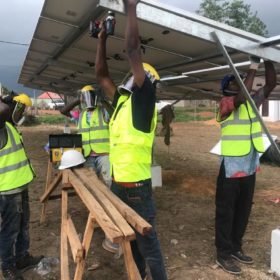
US developer lands $1.75m deal for Nigerian mini-grids
Former start-up Husk, which originally based its business on renewables powered by rice industry waste products, has agreed to develop seven solar-plus-storage mini-grids across rural communities in Nasarawa state.
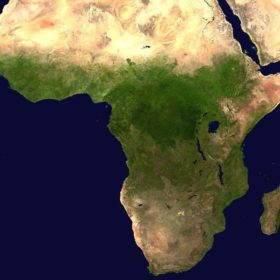
Fund hopes to raise $250m for urban climate projects in West Africa
The ARM-Harith Cities and Climate Transition Fund will feature public and private finance, according to the joint venture behind it.
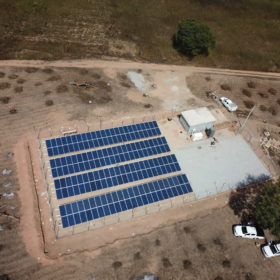
PowerGen and CrossBoundary to deploy solar to 55,000 people in rural Nigeria within a year
U.S.-owned, Nairobi-based mini-grid developer PowerGen has already rolled out seven local solar networks in the West African country, funded by equity investors who will recoup their cash when all 28 systems are sold to CrossBoundary Energy Access.
Sahel-wide group buying program could drive solar home system supply
A report commissioned by EU lender the EIB has dismissed the role solar mini-grids can play in achieving universal electrification by 2030 and signaled distribution to individual households should be the way forward, including sales to the residents of UN refugee camps in East Africa.
