Demonstrating durability in n-type modules
The promises of a longer lifetime and better performance under harsh conditions, such as desert heat, are among the key reasons the PV industry is beginning to make the switch to n-type technologies. While the cell technologies themselves are a major factor, there’s a whole lot more to think about when it comes to ensuring long-term reliability for modules in the field. In this pv magazine Webinar, we examine the joint roles of advanced cell technology and proven bill of materials in ensuring reliability as expected lifetimes for PV modules move to 30 years and beyond.
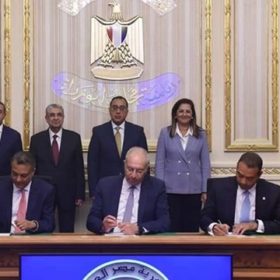
The Hydrogen Stream: $8 billion green hydrogen facility near the Suez Canal
Egypt is taking several steps to support renewable and hydrogen projects, aiming to produce 42% of its electricity from renewable sources by 2030. Meanwhile, a team of researchers led by UCLA developed a method for predicting platinum alloys’ potency and stability; Iberdrola and bp are working on strategic collaboration, including large-scale green hydrogen production hubs in Spain, Portugal and the UK.
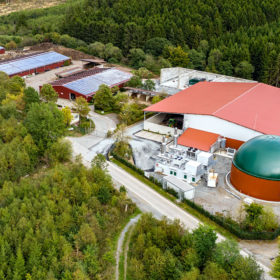
Photovoltaics and anaerobic digestion
Researchers in Egypt have studied the use of solar power and anaerobic digestion for a 6,300-square-meter farm capable of housing 200 head of milk/beef cattle. They found that this combination could achieve a cost of energy of $0.0226/kWh.

Morocco launches EPC tender for 260 MW of solar
The Moroccan Agency for Sustainable Energy is seeking EPC contractors for the construction of seven solar parks located across several regions.
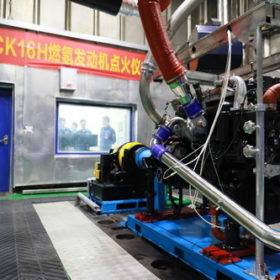
The Hydrogen Stream: Ignited hydrogen-fueled engine from China
Machinery company Yuchai expects mass production by the end of 2022, targeting tractors and other heavy commercial vehicles in mountainous or plateau areas. Sunfire is installing a 2.6 MW high-temperature electrolyzer at Neste’s renewable products refinery in Rotterdam, with commissioning expected in early 2023. Meanwhile, hydrogen-based projects in the mobility and transportation sectors are taking off in France, Czech Republic, and the UK.
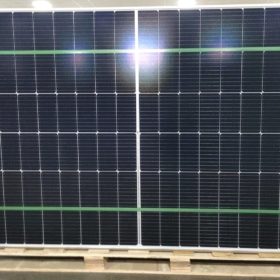
Ifri-Sol launches M10 rooftop solar module
The Tunisian module maker said its new product is based on p-type gallium-doped solar cells and is suitable for both residential and commercial applications. The panel is available in nine versions with nominal power of up to 505 W and an efficiency of up to 21.44%.
IFC announces $150m credit line, with focus on African solar
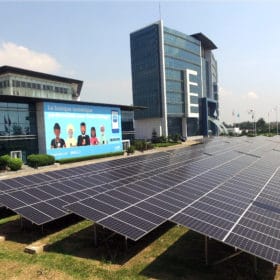
Egypt’s Elsewedy Electric, which has developed solar and storage projects on its home continent, has secured a new financing package, according to International Finance Corp.

Emirati investor reveals plans for 500 MW of solar in Libya
Alpha Dhabi Holding has signaled its intent to develop up to 2 GW of solar in Libya, with the power to be bought by a state-owned utility.
Solar LCOE may drop to $0.018/kWh in Africa by 2030, says IEA
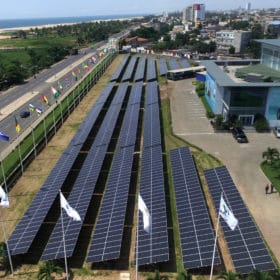
The International Energy Agency’s latest “Africa Energy Outlook” report says grids will need to be expanded, along with natural gas exploitation, if everyone in Africa is to have access to electricity by 2030. On the solar front, the document predicts a levelized cost of energy of $0.018/kWh to $0.049/kWh by 2030 – cheaper than wind power or gas.

The Hydrogen Stream: Volvo starts testing fuel cell electric trucks
Volvo said it will offer fuel cell electric trucks by the second half of the decade, while an airport in northern Japan has started working on a feasibility study for local hydrogen production. Uruguay, meanwhile, has presented a new hydrogen strategy.
