New Fraunhofer study details multi- versus single-MPPT inverters
PV inverter manufacturer Kaco has quantified the compatibility problems of multi-MPPT inverters and high-performance modules in their own study. In this pv magazine Webinar, our speakers will present new research results on the use of multi-MPPT versus single-MPPT inverters and explain why string inverters with only one MPPT do not have such problems compared to multi-MPPT inverters.
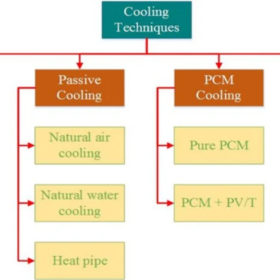
PV module cooling techniques at a glance
Egyptian researchers have analyzed all cooling techniques for solar module cooling. Their review includes passive and active cooling methods, cooling with phase change materials (PCMs), and cooling with PCM and other additives, such as nanoparticles or porous metal.
N-type TOPCon solar modules conquering new markets
In this pv magazine Webinar, Jinko Solar will present its own TOPCon technology and analyze market trends and the potential for TOPCon over the coming years, especially for markets in the MENA region. Some business cases will be introduced to present the technology main features that, according to the manufacturer, will make TOPCon modules prevail in the global market.
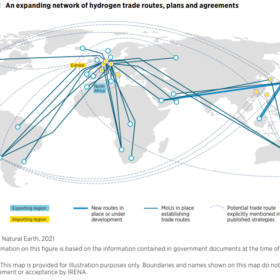
Green hydrogen could disrupt global trade, bilateral energy relations
While there are still many uncertainties as to the way in which hydrogen trade might evolve and change economic ties and political dynamics between countries, experts agree that green hydrogen can bring winds of change to the global energy arena. According to the International Renewable Energy Agency, significant geoeconomic and geopolitical shifts are just around the corner.

Algeria launches 1 GW solar tender
Developers will have time until April 30 to submit their bids. Selected projects will be awarded a 25-year power purchase agreement (PPA).

Fimer, Enie to set up inverter factory in Algeria
The Italian inverter maker and the Algerian electronics manufacturer are joining forces to produce solar inverters in Algeria. The location of the planned manufacturing facility was not disclosed.
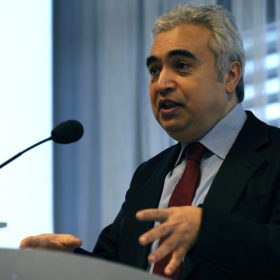
Record solar numbers expected this year but IEA highlights pricing concern
The Paris-based body expects the world will have installed almost 160 GW of solar this year, a record number, but still not enough to keep the prospect of a net zero global economy by mid century in sight.

Canadian mining company acquires 10 vanadium sites in Morocco
Canada-based Elcora said the transaction will enhance its mining operations and energy storage business.
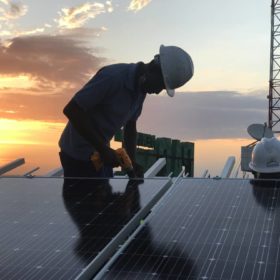
‘Africa should harness green hydrogen, not just export it’
Instead of using its abundant cheap renewable energy potential to generate the gas simply to feed the appetite of industrial consumers in Europe and elsewhere, Africa could attract the heavy manufacturing sectors concerned, such as steelmakers, to its shores, the African Energy Week event heard.

Remote sensing-based GIS model to identify pumped hydro-suitable locations
Proposed by Egyptian scientists, the proposed GIS technique considers a pumped-hydro project’s head and elevation difference, the penstock-length distance from the base plant, the site’s slopes and slope of the ground surface, the distance to the national grid and road networks, and the soil suitability. It also takes into account constraints such as land use and restrictions.
