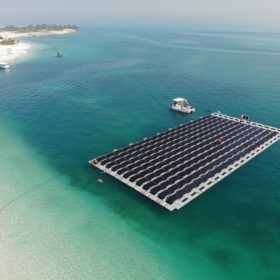
Floating PV in the Persian Gulf
Dubai-based Enerwhere has built an 80 kW floating array at a resort island in Abu Dhabi. The installation features bespoke modules from GCL and Sungrow inverters. The developer told pv magazine the business case was based on the fact the cost of diesel generator operation in such locations can run to $0.25/kWh.
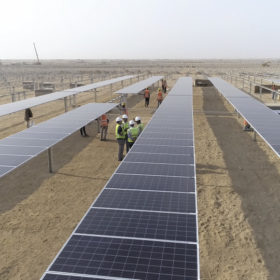
Solar is gaining traction in MENA region – but plenty of obstacles remain
Solar deployment continued to pick up in the Middle East and North Africa in 2019, the Middle East Solar Industry Association has said in its annual report.
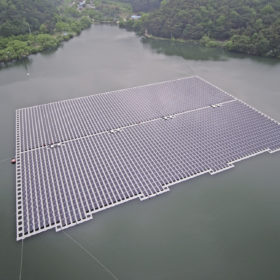
Masdar to install 145 MW of floating PV in Indonesia
Abu Dhabi-based renewable energy group Masdar is sailing into the Southeast Asian solar market with Indonesia’s first floating solar project. The petro-state owned developer says the facility will be the largest in the region.

Innovation shines at pv magazine awards ceremony in Abu Dhabi
The winners of the 2019 pv magazine awards have been recognized in a ceremony alongside the World Future Energy Summit. The victors spoke of the importance of innovation being recognized within the industry.

Solar NGO Electriciens sans frontières awarded Zayed energy prize
The French non-governmental organization, which provides solar kits to refugee camps and disaster affected communities, won the energy category of the 12th Zayed Sustainability Prize. The award will bank Electriciens sans frontières $600,000.
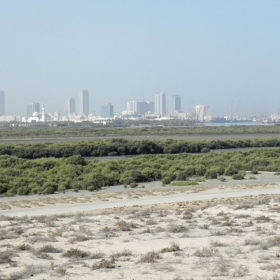
Emirate of Umm al-Quwain launches tender for 500 MW solar park
The UAE Federal Electricity and Water Authority is seeking expressions of interest to enable it to pre-select independent power producers for the project. The plant will be owned 60% by the government of Umm al-Quwain and the electricity authority, with the successful developer owning the balance.
Solar-plus-storage will start to make big inroads in the year ahead
By this time next year we may be able to wave goodbye to that old chestnut about renewables endangering security of supply. Elsewhere, the price of lithium – and the products it goes into – could go either way after tanking this year.
The year in solar, part IV: More storage and hydrogen advances as solar just kept getting cheaper
Battery innovations started to come thick and fast this quarter as the hunt for alternatives to lithium-ion intensified and the latest slew of solar tenders indicated the relentless pressure on solar power generation costs was showing no sign of abating.

Masdar seals agreement to develop 400 MW of solar in Armenia
The Abu Dhabi-based clean energy group has entered into a formal agreement with an investment fund to develop 400 MW of PV capacity in Armenia, with a projected investment of up to $320 million.
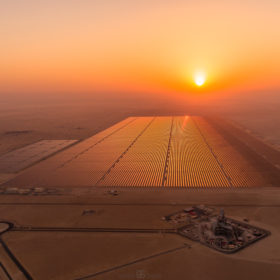
Dubai confirms Saudi’s ACWA won 900 MW solar project tender with $0.016953/kWh bid
The Dubai Electricity and Water Authority said the solar generation capacity is expected to come online in the second quarter of 2021. The tender will constitute the fifth phase of the mammoth 5 GW Mohammed bin Rashid Al Maktoum Solar Park.
