Second-life EV battery market to grow to $4.2 billion by 2025
Circular Energy Storage, a London-based research and consulting group, reports a strong business case for reconstituted electric vehicle batteries for energy storage applications. As the EV and static storage system markets grow rapidly, synergies could be a useful tool for continued cost optimization.
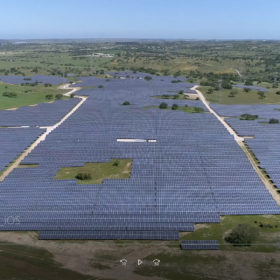
Spain’s Holaluz to sell power generated at 46 MW solar park in Portugal
The solar plant was commissioned last week in Ourique, southern Portugal. The project was developed by UK-based renewable energy company Welink and Chinese engineering services provider China Triumph International Engineering (CTIEC).

UK based scientists demonstrate ‘charge funnels’ to boost solar efficiency
A team of researchers from the University of Exeter has demonstrated a technique which creates ‘charge funnels’ within certain semiconductor materials. The researchers state that the technique could eventually lead to the development of PV cells with better than 60% efficiency.
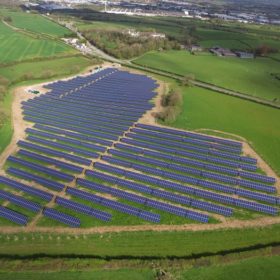
2017 saw UK switch away from coal, gas to renewables
While they remain the dominant source of energy supply, there was a shift away from fossil fuels to renewable energy in the U.K. last year. The country is “comfortably” on track to exceed its 30% renewables target, says the government.

UK green lights fracking days after targeting small-scale renewables
Decision comes just days after business and energy department prepares to end export payments for solar households, and with parliament in its summer recess. The permit has outraged green groups, the opposition Labour Party and nearby residents.

How can a home furnishing company succeed in solar? – Ikea interview
Having entered the solar space four years ago with residential rooftop kits, Ikea added storage to its product mix in 2017. pv magazine caught up with Signe Antvorskov Krag, Global Development Leader IKEA Home Solar Business to discuss business models, its role in the industry, and how it intends to execute the next stage of its plan: energy communities.

Moixa powers Scilly season
The storage system supplier is providing its technology to the Isles of Scilly as part of an ERDF-funded project to meet the remote islands’ energy demands more cheaply and cleanly. Until now islanders used fossil fuels and electricity from mainland Britain at high tariffs, prompting energy poverty for many.
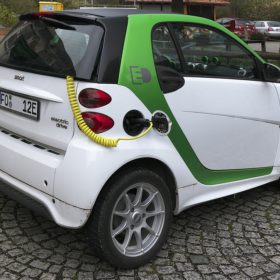
India slashes tax rate for batteries and their raw materials
The 10% reduction in GST is an example to the UK government, which is seeking suggestions on how to drive solar take-up, but manufacturers are already calling for further reductions to fire battery storage in the nation.
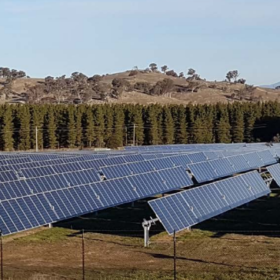
‘UK government knows the answers on solar, it’s just stalling’
Latest consultation exercise has been launched solely to buy time because Brexit is distracting officials from policymaking, according to a spokesman from the National Farmers’ Union.
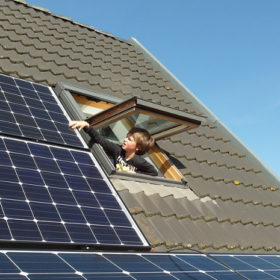
UK: Government considers ending solar export tariffs, ‘serious’ policy gaps must be addressed
The U.K. Government is proposing closing both generation and export tariffs for renewables on March 31, 2019. The country’s solar trade association calls for clarity on the policy framework going forward, for both industry and potential investors.
