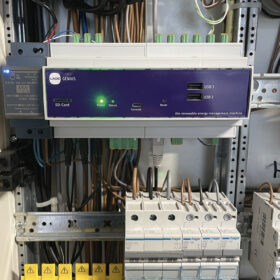
Weekend Read: Artificial opportunities
Artificial intelligence (AI) is hot right now and is finding central applications in homes and businesses as they move from simple grid connections to self-generation, energy storage, electric vehicle (EV) charging, and load-shifting revenue streams. With AI everywhere, what’s the difference between advanced control, via simple algorithms, and true intelligence?
AI tech for DC arc detection in PV systems
Scientists from China have developed a novel system that can detect DC arcs in PV installations through a back-propagation neural network. The novel technique reportedly ensures a detection time of less than 200 ms.
New model for day-ahead solar forecasting in areas with limited data
South Korean researchers have developed a long-term solar irradiance prediction method based on a reinforcement learning algorithm. They claim that the new model is able to forecast solar radiation for more than a year using just two weeks of solar radiation learning.
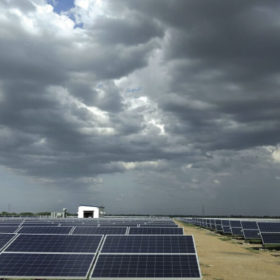
Computer vision for solar forecasts
A scientific review of solar forecasting with computer vision and deep-learning tech identifies areas for improvement and calls for more collaboration between project developers and grid operators.

Training deep machine learning to identify PV, solar thermal systems in aerial images
A Swedish research group has found that using deep machine learning to identify solar energy systems in aerial images may not be so accurate in non-densely populated countries such as Sweden. They have also found, however, that this technique may be trained via an iterative process and achieve satisfying results.
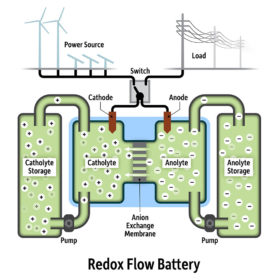
First AI-based control method for vanadium redox flow batteries
Australian researchers are proposing a novel, learning-based H∞ control method to enhance the performance of vanadium redox flow batteries in DC microgrids.
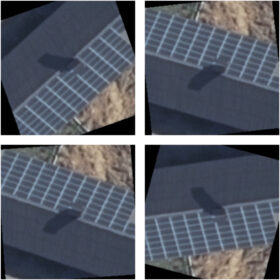
Novel AI-based tech to identify rooftop solar systems from aerial images
The model utilizes deep learning and image processing techniques and is said to offer “superior performance.” In the future, it might be able to differ between panels of PV and solar thermal systems.
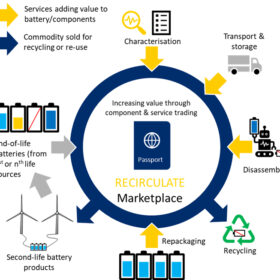
Recirculate – giving EV batteries a second-life
With the rapid growth in electric vehicle (EV) demand bringing fears of a mountain of EV battery waste piling up further down the line, the EU-Swiss government-funded Recirculate program is planning how to keep batteries in use for much longer before they head to recyclers.
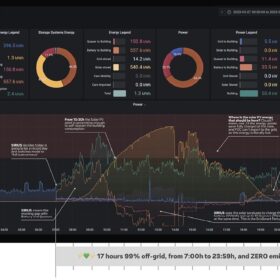
Weekend Read: It’s time to get Sirius
In a bid to avoid costly grid augmentation, Spanish electric vehicle (EV) charger supplier Wallbox has designed a multi-layered energy intelligence solution – proving that necessity is the mother of invention.

Conquering change: Artificial Intelligence and how to be future ready
The rise of Artificial Intelligence (AI) technologies presents a big opportunity for the energy industry. AI and the language of the input query provide us with a powerful tool against incorrect information.
