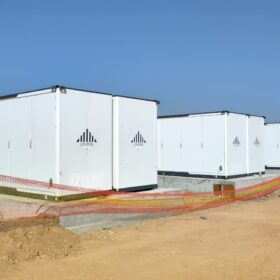
Brazil to launch large-scale energy storage auction in 2025
The Brazilian authorities say they plan to hold a large-scale energy storage auction in 2025, potentially creating a market for large-scale storage facilities in the country.

Intersolar South America underscores Brazil’s solar growth, tech innovation
The Intersolar South America trade show drew 650 exhibitors and 55,000 visitors in August, highlighting industry growth with new pavilions on storage and electric mobility. Brazil is on track to reach 47.2 GW of installed solar capacity by the end of this year, with 11 GW of new PV capacity additions, according to Brazilian PV association ABsolar.
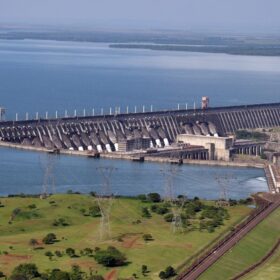
Binational tender launched for 1 MW floating PV plant in Brazil, Paraguay
The plant will be located in the reservoir of the Itaipu Hydroelectric Power Plant. The tender is open until September 5, and the designated time period for the installation of the floating solar plant is about four months.
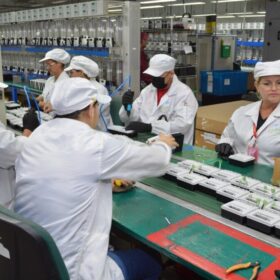
Livoltek commissions inverter factory in Brazil
The company opened an inverter factory in the Manaus Free Trade Zone with a capacity of 1.8 GW, or 300,000 units per year. In the second phase, it plans to bring in the production of hybrid inverters and lithium batteries as well as chargers for electric vehicles and motors for electric boats. The company will have distribution centers in Curitiba and Fortaleza to ensure rapid delivery of equipment to the domestic market, with a minimum warranty of 10 years.

Solar module prices rising in Brazil
Despite global overcapacity, several factors may contribute to a slight increase in solar panel prices in Brazil, with shipping costs and quotas for fiscal exemptions on imported PV modules playing a key role.
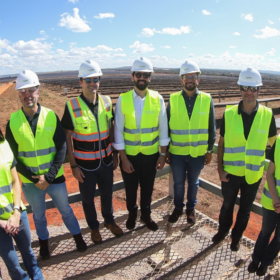
267 MW PV plant inaugurated in Brazil
The BRL 950 million ($175 million) São João do Paracatu solar park in Minas Gerais employs 500,000 solar modules distributed over an area of 509 hectares and counts clients in the areas of mining, magnesium industrialization and plastic production and recycling.
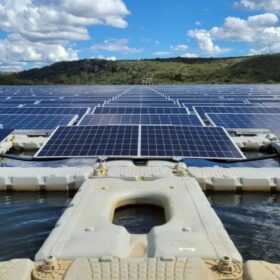
Floating solar power in Brazil provides opportunity for hydroelectric power plants
The Itaipu hydroelectric power plant could almost double its generation capacity if it were to install a large floating solar plant that would occupy only 10% of its 1,350-square-kilometer reservoir area, according to an estimate released by the energy consulting and analysis firm PSR. The installation of floating PV could be an alternative to the repowering of power plants, although it faces regulatory and operational constraints.
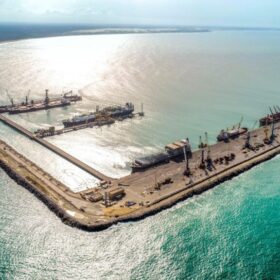
FRV to invest some $5 billion in 2 GW of green hydrogen capacity in Brazil
FRV is one of a number of companies that has already signed contracts with the Ceará government for the production of green hydrogen and its derivatives in the state. Its H2 Cumbuco project is set to expand to 2 GW of electrolyzer capacity in two phases. The project will use residual urban water treated by the local sanitation company.

Climate disaster hits solar in southern Brazil
Heavy rains recently triggered floods in Brazil’s Rio Grande do Sul state when Lake Guaíba and the Taquari River and Uruguay River overflowed, reaching more than 5.30 meters and affecting more than 1.95 million people. The death toll stands at 143, with 125 still missing. The authorities still have yet to assess the losses from submerged or affected PV plants.

Brazil hits 40 GW milestone
Solar accounted for 17.4% of Brazil’s electricity mix last week. PV systems up to 75 kW in size represent around 50% of the total capacity.
