Next year will bring micro and mega grids
This year has witnessed upheaval in the global energy system as inflation, geopolitical conflict, and the reality of a changing climate continue to drive the transition to cleaner energy. Next year, these trends are likely to continue and accelerate as renewable energy adoption continues to grow and the inextricable link between energy security and national security is increasingly recognized. Alan Greenshields, of US-based iron-salt flow battery maker ESS Inc, offers four predictions for 2023.

Weekend Read: Can Lula deliver on Brazil’s solar hopes?
Brazil’s newly elected government, under Luiz Inácio “Lula” da Silva, will face energy-transition and decentralization issues during critically important years in the fight to curb climate change. Livia Neves reports from Rio de Janeiro.
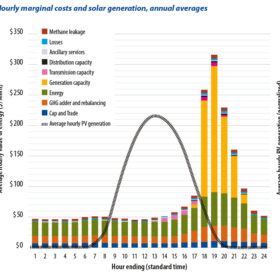
Regulator could prove solar’s NEMesis
The latest attempt by the California Public Utilities Commission – CPUC, the US state’s regulator – to reform net metering rules, seems to again be solely motivated by the desire to kill off rooftop PV, as energy economist Ahmad Faruqui reported in the latest issue of pv magazine.

Big solar already pulling its weight on emission reduction – especially in Chile
Following a disappointing COP27 climate change summit in November, solar industry veteran Philip Wolfe reviews the contribution utility-scale PV is starting to make to emissions reduction.

Perovskites and microgrooves can revolutionize solar
Ambitious targets for solar energy generation present challenges to an industry keen to explore new avenues for solar production. Neil Spann, chief executive of UK thin film solar manufacturer Power Roll, describes a commercial solution to the problems of over reliance on silicon solar modules.

Weekend read: Solar tops the bill
The US Inflation Reduction Act of 2022 sets aside $369 billion to decarbonize the economy and respond to climate change. pv magazine USA’s Anne Fischer and Ryan Kennedy report on the boost the landmark legislation is expected to provide to solar and battery deployment and manufacturing.
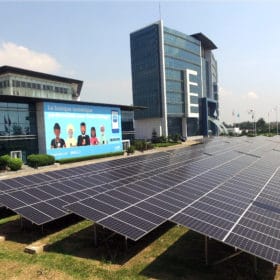
Tipping point for African C&I solar
With installers who cater to African businesses making the headlines this year, Jasper Graf von Hardenberg – whose C&I solar business was recently bought by Shell – explains here how the story of the continent’s commercial and industrial (C&I) solar segment was far from an overnight success.
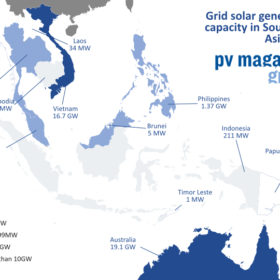
Weekend read: Southeast Asian interconnection
While near neighbors, the electricity generation of the countries of Southeast Asia couldn’t be further apart. Indonesia burns locally mined coal; Malaysia has reserves of oil and gas; and populous Singapore, Vietnam, and the Philippines depend on fossil fuel imports. They could all benefit from increased solar electricity but higher grid capacities and interconnection are key for an opportunity to unlock the power of the sun.

Green investors eyeing up Australia following election results
The remarkable results of what is already being called a ‘historic’ 2022 federal election have put Australia “back on the map” in the eyes of big low-carbon investors.

Solar the energy workhorse in latest gloomy IPCC verdict
Photovoltaics can wipe out 4.25 billion tons of carbon emissions every year this decade, according to the UN Intergovernmental Panel on Climate Change. Even so, the actions announced so far remain way short of what is needed, with capital flows to fossil fuels still greater than the cash directed toward combating climate change.
