
UK’s Labour announces plans for 22 GW of new solar capacity by 2030
Although PV trails wind and nuclear in terms of its anticipated future footprint, the opposition party’s attempt to outflank left of center rivals on climate change has resulted in one of the world’s most ambitious national roadmaps towards a zero-carbon future.

Recovering interest rates may raise large scale solar electric price 11%
Renewables investment may by hit by rising interest rates despite the falling cost of clean energy tech just as fossil fuels avoid the impact of rising base rates.
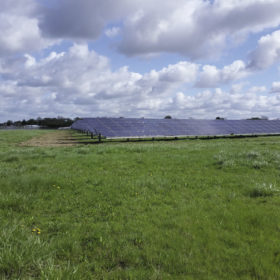
Large scale PV moribund in UK but unsubsidized projects offer hope
The latest government figures show utility scale solar had near-zero growth in 12 months. Although excluded from the Contracts for Difference procurement regime, large scale projects may experience a resurgence thanks to unsubsidized schemes linked to bilateral power supply deals, with the Solar Trade Association predicting 400 MW of such projects may be finalized this year.
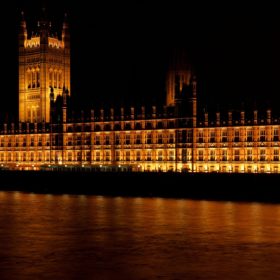
UK government offering little encouragement to the solar sector says the industry
A conference in London explored the next steps for renewables in the U.K. There was widespread agreement solar has been left in the cold by a government unwilling to alter the current market dynamics.
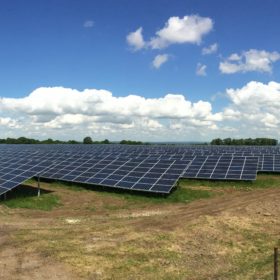
Official statistics illustrate UK solar market’s sluggish growth
Despite a remarkable cumulative PV capacity of over 12.8 GW, newly registered PV systems in the first four months of this year amounted to a disappointing 72 MW. The U.K. Solar Trade Association does not expect the current poor growth trend to improve unless the government provides more regulatory certainty.
