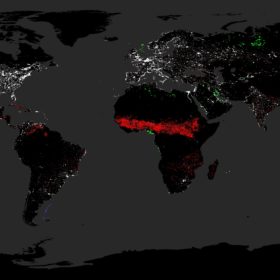
Tackling climate change with machine learning: Covid-19 and the energy transition
The effect the coronavirus pandemic is having on energy systems and environmental policy in Europe was discussed at a recent machine learning and climate change workshop, along with the help artificial intelligence can offer to those planning electricity access in Africa.

Covid-19 weekly briefing: Merchant solar developers could seek shelter in return to subsidies and PPAs are being revisited, but at least the Irish are coping with lockdown measures
The unfolding effects of the Covid-19 crisis, and fears of a possible second wave, have split analysts trying to guess how the unsubsidized renewables market will emerge as slumping demand continued to distort power markets. pv magazine rounds up the week’s coronavirus developments.
Covid-19 disruption leaves indebted Chinese manufacturer in limbo
Debt-saddled GCL-Poly’s attempts to renegotiate $809 million of defaulted borrowings have been held up because of the coronavirus crisis unfolding in Europe, where one lender is based. Shareholders are due to vote tomorrow on a project sale which could generate $153 million of benefits.
Light after lockdown in Europe’s corporate PPA market
Following the easing of drastic measures to curb the spread of coronavirus, paused or decelerated PPA negotiations are starting to regain momentum as corporates signal their intention to stick to long-term carbon-reduction targets.
Ministry representative says Polish solar manufacturers could benefit from Covid-19 disruption to take market share from Chinese rivals
The Polish solar industry is reportedly planning an offensive to claim a bigger slice of the domestic PV market. The idea was apparently floated by the head of a private renewable energy body.
Chinese manufacturer looks to pv magazine for its Covid-19 updates
Manufacturer Solargiga referenced our website, rather than official channels, to have a stab at anticipating the possible effects of the public health crisis on the industry as it insisted production lines powered by bargain-basement electricity prices this year would help turn around a $50 million loss for 2019.

Covid-19 weekly briefing: A cold wind for APAC renewables, respite for Indian developers and another salary cut for SunPower execs
The coronavirus epidemic continues to batter the global economy, including the solar industry, but falling demand during lockdowns has brought negative energy prices as well as helping drive record solar generation, amid less-polluted skies.
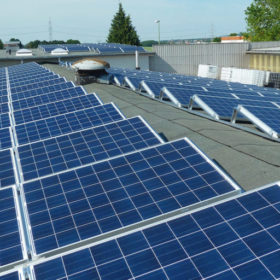
Germany has 200,000 solar-plus-storage systems
EuPD Research estimates around 65,000 energy storage systems linked to rooftop PV were installed last year thanks to increasingly popular solar arrays and electric vehicles as well as rising electricity prices.
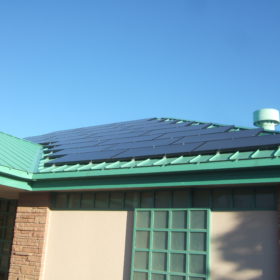
Switching from ownership to leasing in times of Covid-19
Dutch solar distributor Enie is offering to buy rooftop PV systems from cash-strapped owners who will then receive a monthly leasing fee before regaining ownership of the hardware a decade on. The company will pay around 85% of the initial cost of the arrays but said it will not consider systems with ‘poor’ design or components.

Covid-19 daily bulletin: Italian PV developers do their bit for the nation
Solar project owners responded to an appeal to donate a portion of their solar incentive payments to the public health authorities as another multinational body emphasized the importance of coronavirus fiscal stimulus packages having environmentally-friendly conditions attached.
