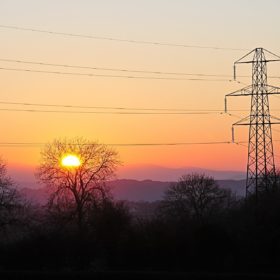
A roadmap for cross-border solar in the EU
Researchers at the EU Joint Research Centre have suggested a series of actions that could be implemented to turn solar power exports between European countries into a real plan.
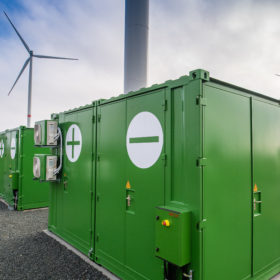
DSOs should only operate storage to a limited extent, European regulators say
According to a new report from the Council of European Energy Regulators (CEER), distribution system operators should own and operate storage systems only when market-related entities are unable to provide flexibility in accordance with energy regulations.
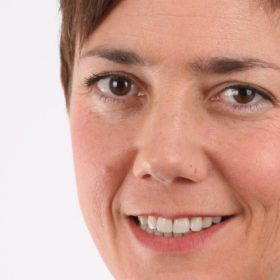
A 20% solar electricity ambition and 30 million roofs for Europe
The new CEO of SolarPower Europe, Walburga Hemetsberger, explained her goals for the development of the European solar industry in the next 10 years when interviewed by pv magazine during the association’s SolarPower Summit in Brussels.
Global solar demand reached 104 GW in 2018
According to new figures released by SolarPower Europe, last year saw 1.4 GW more new solar generation capacity than trade body had expected. Lower demand in China was compensated for by stronger developments in emerging markets.
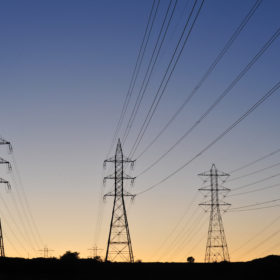
Super-grids vs prosumer states: storage may decide the battle
Indra Overland, head of the Center for Energy Research at the Norwegian Institute for International Affairs, explains how the world’s future energy landscape may include pan-regional super-grids. However, prosumer states seeking energy independence could also be in the mix. According to Overland, the two developments will go hand in hand and the balance between them will be determined by the competitiveness of storage technologies.
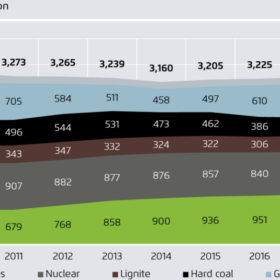
EU solar demand to reach 30 GW in 2022
According to a new report from Agora Energiewende and Sandbag, the EU solar market grew around 60%, or 10 GW, last year. The analysis also predicts that total solar demand across all EU PV markets will continue to grow due to lower module prices, and that it may reach an annual volume of 30 GW within four years. Meanwhile, solar has reportedly achieved a 4% share in the EU electricity mix.
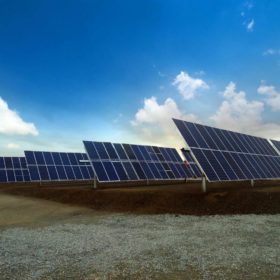
Wind, solar could be self-financing by 2025 under current European electricity market design
According to a report from the Centre on Regulation in Europe (CERRE), lower capital costs for large-scale wind and solar projects, and much higher fossil fuel and carbon prices could lead to renewables becoming self financing by 2025. If these conditions do not materialize, more auctions and tenders may still be needed.
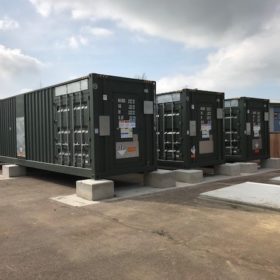
UK, Germany should push on storage, EVs – BloombergNEF
Two new reports from BloombergNEF recommend that the two northern European countries should implement policies to accelerate the adoption of energy storage and smart electric vehicle charging, while also improving demand response and interconnection to Nordic hydropower reservoirs. All of these actions are expected to further reduce fossil fuel dependence and add flexibility to their respective energy markets.

SolarPower Europe appoints new CEO
Walburga Hemetsberger has led the EU Representation Office of Austrian energy company Verbund AG for the past 10 years. At the same time, she was also a board member of Hydrogen Europe, in charge of Energy Transition Solutions.
EU Parliament approves RE directive
The European Parliament has today approved half of the eight legislative proposals of its Clean Energy Package, including the recast Renewable Energy Directive.
