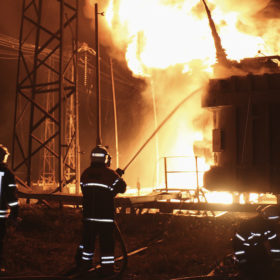
Conventional grids place power plants in the crosshairs
Warnings about the need to decentralize Ukraine’s electricity grid, made 10 years before the Russian invasion, fell on deaf ears at the time. In the wake of war, nations across Eastern and Central Europe are alive to the risks embodied in traditional energy networks.

Solar energy in the real world – EUPVSEC 2023
Practical matters, beyond simply improving on solar cell efficiency, have led the agenda at the European Photovoltaic Solar Energy Conference (EUPVSEC) going on this week in Lisbon. Policy and the geopolitics of solar manufacturing is the big question on everybody’s lips as the event passes its halfway point today. Concerns including grid integration, critical materials consumption, and public acceptance are all being aired frequently – illustrating a closer than ever link between work being done in the labs at solar energy institutes and the everyday lives and energy consumption of people in Europe and around the world.
Deployment trumps manufacturing in EU priorities
A lack of clear policy support, raw material dependency, and higher production costs are inhibiting the localization of European solar manufacturing, despite strong demand.
EU raises renewables target to 45% by 2030
The European Union’s new renewable energy directive says that around 100 GW of wind power and PV should be built on the continent every year.
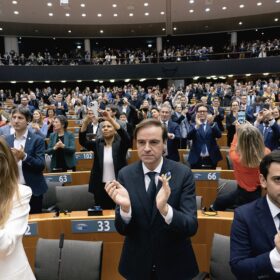
Weekend Read: Race to the top
A flurry of clean energy announcements in the European Union this year bodes well for the expansion of renewables but there will be a race against time to get key legislation adopted before next summer’s European elections.
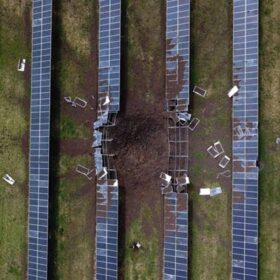
A bright spot in the darkest hour
Solar is not only helping to keep the lights on in Ukraine – it also has a vital role as part of Europe’s energy transition and clean energy economy.
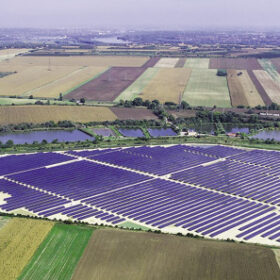
Hungarian solar is on the rise but much needs to be resolved
PV deployment is gathering pace in the EU member state but grid capacity shortfalls and unpredictable shifts in government policy need to be addressed if the nation is to harness its full solar – and European energy security – potential.
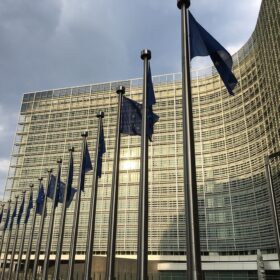
EU loosens state aid rules for green technologies
The EU’s new state aid rules should lead to more investments in clean tech production. The European Solar Manufacturing Council said the new framework will be the basis of Europe’s future manufacturing ecosystem.
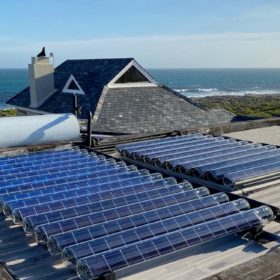
UK must act now to embed solar in energy transition
Tony Danker, head of the Confederation of British Industry, in January warned the UK is at risk of squandering the vast economic opportunities available to nations investing in the energy transition. Christophe Williams, CEO of solar thermal company Naked Energy agrees, and here spells out some of the urgent actions Rishi Sunak’s government must take to place solar thermal – and PV – at the heart of a green revolution.

Only5mins! – Europe may deploy 53 GW of solar this year
pv magazine speaks to Raffaele Rossi, head of market intelligence for SolarPower Europe, about the solar outlook in 2023. He says the European solar market may grow by around 29% compared to 2022.
