‘New solar will be cheaper than existing conventional power stations in Germany this year’
With forecasters predicting the carbon price will top €100 per ton by 2030, the latest edition of a Fraunhofer ISE study into electricity generation costs has painted the renewables-versus-fossil fuels conundrum as something of a no-brainer.

German solar generates 40 GW for the first time
Germany is currently seeing cool, sunny weather, which is ideal for PV power generation. According to Energy Charts, the photovoltaic systems installed in the country have cracked the 40 GW mark for the first time.

Copper metallization process reaches pilot production in Germany
Scientists led by staff from Germany’s Fraunhofer ISE have demonstrated a new laser printing process in pilot production, which could replace silver paste and screen printing in solar cell manufacturing. The system is said to offer much more flexibility in the layout of contact fingers on the cell surface and a wider choice of metallization materials.
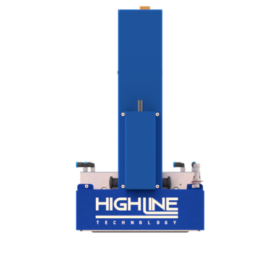
Fraunhofer ISE solar cell manufacturing spin-off could reduce silver content
Highline Technology GmbH has a production process in which metal contacts are applied without touching the front of solar cells, reportedly saving resources and raising efficiency.
European consortium bid to bring 25.4%-efficient heterojunction-IBC solar cell into mass production
The EU-funded Nextbase project aims to manufacture heterojunction, interdigitated back-contact solar modules for less than €0.275/W. Solar panels featuring the Nextbase cell tech are expected to have a conversion efficiency of 23.2%, according to the European Commission.

German coal mines could host 3 GW of floating PV
Research institute the Fraunhofer ISE has estimated the technical potential of floating PV at mining sites in Germany at around 56 GW. With floating projects 10-15% more costly than land-based alternatives, researchers have called for further incentives, such as the staging of ‘innovation tenders’.
