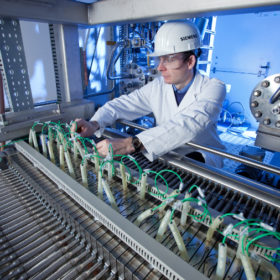
New electrolyzer to split saltwater into hydrogen
Chinese scientists have developed a new way to split seawater into hydrogen without using a separate desalination process. They incorporated a self-breathable waterproof membrane and a self-dampening electrolyte (SDE) into the electrolyzer, so water migrates from the seawater across the membrane to the SDE, without extra energy consumption.
Construction reported underway at 1GW of wind, solar, storage projects in Inner Mongolia
Chinese renewables and gas-fired power plant developer Beijing Jingneng Clean Energy Co. announced today that it has commenced work on wind and solar projects in the autonomous region of Inner Mongolia with a combined capacity of 1GW. One of the projects is a combined solar, wind and hydrogen electrolysis project with a generation capacity of 500MW.
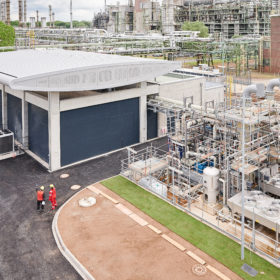
The Hydrogen Stream: Ineos to invest £25m in HydrogenOne fund as Shell fires up its 10 MW electrolyzer
Plus, the Norwegian government is set to devote €2.5 million into a joint venture trying to develop liquid organic hydrogen carrier solutions for shipping by the middle of the decade.
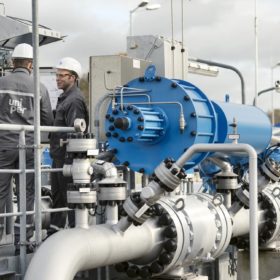
What will African nations require to produce competitive green hydrogen exports?
A robust national strategy, a portfolio of renewable energy assets, public subsidies and, ideally, existing gas pipelines will all favor African nations aiming to become exporters in the energy storage medium, participants heard at a recent two-day green hydrogen conference.

France wants 6.5 GW of hydrogen capacity by 2030
Government ministers Barbara Pompili and Bruno Le Maire today unveiled a national strategy for carbon-free hydrogen to the French Association for hydrogen and fuel cells and other major players in the state’s hydrogen economy.
New membrane promises cheaper electrolysis
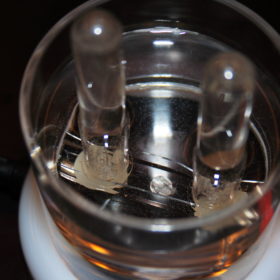
A novel anion exchange membrane has been developed by German chemical company Evonik. Its creators claim it can make hydrogen generation cheaper, as the cells used for electrolysis featuring the device would not require precious metals.
Green hydrogen economy assessment for US, Europe
A new report by the International Council on Clean Transportation provides forecasts for green hydrogen prices by 2050. The group claims to have included system costs that have been ignored in green hydrogen economy assessments thus far. Average green hydrogen prices, however, will almost be halved in the United States and Europe.
Moixa to build virtual power plant as first phase of UK smart energy project
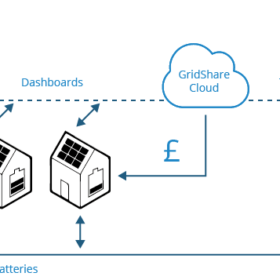
The storage supplier will set up a mixed-asset virtual power plant that will initially aggregate up to 2 MW of capacity as the first phase of a planned smart local energy system in southern England. Moixa aims to eventually scale the VPP up to 17 MW.
