
Lithuanian energy ministry issues timeline for renewables auctions
The Baltic nation is heavily dependent on energy imports. A plan for energy independence by 2050 foresees the large scale deployment of renewable energy resources.

Central Bank of Brazil wants to buy power through solar leasing
Brazil’s biggest lender has launched three tenders to select solar facilities to supply it with power through leasing. The central bank expects to buy around 4 GWh of electricity per year for the Federal District and another 2 GWh in the states of Goiás and Pará.

High power prices, falling PV costs and new regulations behind Brazil’s solar carnival
The nation’s thriving distributed generation market is flying, as was evident at last week’s Intersolar South America trade show. The sector seems unconcerned by mooted changes to net metering incentives in the new year and when even an environmental non-believer like President Bolsonaro is on side, it is difficult to be pessimistic.

PV system prices fell 8.9% in Brazil in the first six months of the year
The cumulative capacity of 5 MW-or-smaller solar systems has reached 958 MW in Brazil, according to consultancy Greener. Around a third of that capacity was installed in the first half of this year, with projects relying on half-cell and PERC modules making up the largest share.
Poland launches €235 million solar rebate program
The Mój Prąd scheme will be open to residential rooftop PV projects ranging in size from 2 kW to 10 kW. Furthermore, the Polish Parliament approved a new act that will allow for the wind and solar auctions planned for this and next year to move forward.

Zimbabwe’s struggle for solar
After several year of stalled and failed projects, Zimbabwe’s government is now seeking to implement existing projects, and to get rid of licensed projects that have never been realized. The first attempt will be pushing forward the 100 MW Gwanda solar project, which had been awarded to Intratek in 2015. The government is further planning to grant incentives to rooftop PV under net metering.
There may be a sunny outlook for Greece
The nation elected a new government yesterday, awarding a clear majority to the pro-EU New Democracy party. What could that mean for Greece’s solar sector?
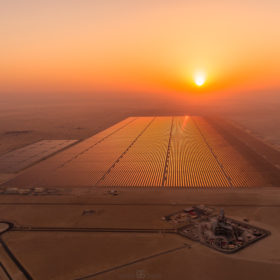
Dubai claims to have reduced carbon emissions 19%
The extraordinary statement, made on Sunday by the emirate’s electricity and water authority, compares current per capita figures to a ‘business as usual’ scenario.

Rooftops of all Bangladeshi schools to generate solar power
Minister unveils plan to install small-scale systems on all educational buildings as part of aim to generate 10% of power from renewables by next year. The program will be privately funded, according to industry insiders.
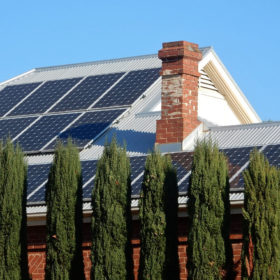
Belgium: Flemish regulator challenges smart meter residential PV agreement
The deal introduced a 15-year grace period for household PV system owners, during which they could choose whether to take net metering payments based on assumed energy use or a potential new system based on actual use and measured by smart meters.
