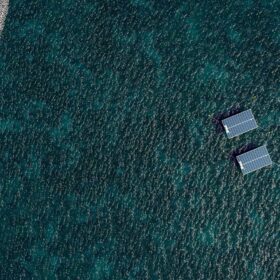
Naturgy, BlueNewables build 1 MW offshore solar plant in Spain
Naturgy and BlueNewables are developing a 1 MW floating solar installation off Spain’s Mediterranean coast, with two 500 kW units designed for open-sea operation and scheduled to begin testing in 2026.
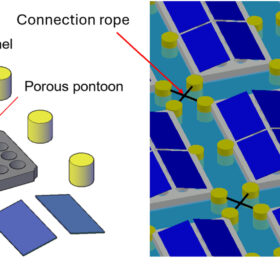
‘Soft-connected’ floating PV for offshore scenarios
An international research team has tested a floating PV system with a “soft-connected” configuration under offshore conditions, using six modular pontoons linked by elastic bar elements to simulate mooring lines and connection ropes.
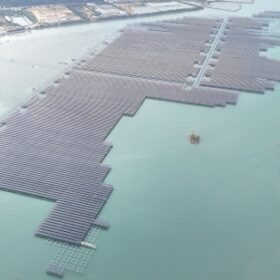
‘Typhoon-resistant’ offshore PV project nears completion in China
China Three Gorges Corp. has nearly completed a 180 MW offshore solar plant, designed for typhoon resistance, off the coast of China.
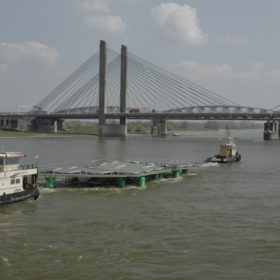
German-Dutch consortium to build 500 kW offshore solar pilot in North Sea
Germany’s RWE is partnering with offshore PV specialist SolarDuck to build a 0.5 MW floating solar plant near an offshore wind farm in the North Sea.
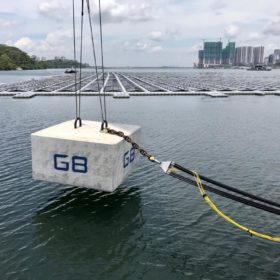
Singapore floating PV company targeting offshore expansion
Floating PV is a growing niche in the solar sector, but its offshore segment has proven more difficult to activate, largely because of the difficulty of open-water energy generation. Nevertheless, one company in Singapore, G8 Subsea, aims to leave the safety of harbors and reservoirs.
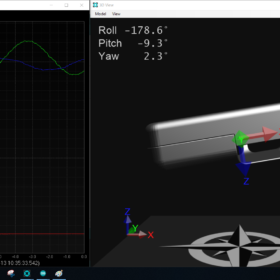
Simulation tool to measure effect of waves on offshore floating solar
Developed by scientists in Malta, the tool is said to predict yield gains or losses that waves can determine in offshore PV installations. The research group identified three movements an offshore array can be subject to, and for each of them provided specific measurements.
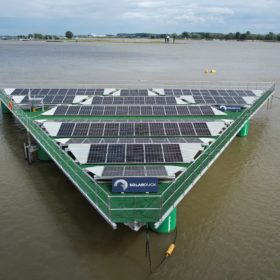
Offshore photovoltaics a step closer
Dutch start-up SolarDuck has secured approval-in-principle for its floating offshore platforms. Its 64 kW pilot project on the inshore water of the Netherlands’ widest river was validated by Bureau Veritas.

First lessons learnt from offshore pilot PV system in North Sea after 18-month operation
The 50 kW modular PV system started operating at the end of November 2019. According to its developer, Dutch start-up Oceans of Energy, power production after 18 months of operations is in line with expectations. The installation had to withstand several storms and waves with a height of up to 10 meters.
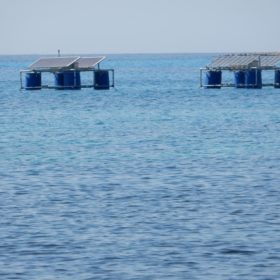
New floating structure for offshore PV, from Malta
The new floating structures can be made of light, reinforced concrete or similar materials, and are claimed to withstand 6m high waves. They can be utilized with standard photovoltaic modules that are currently available on the market.

Using the oceans’ depths to store renewables, compress hydrogen
Underwater gravity energy storage has been proposed as an ideal solution for weekly energy storage, by an international group of scientists. The novel technology is considered an alternative to pumped-hydro storage for coasts and islands without mountains that are located close to deep waters, and may also be interesting for PV if used to store green hydrogen.
