Oman reveals pre-qualified developers for 500 MW solar tender
After revealing the list of the 28 Statement of Qualifications (SoQs) it received in March, the Oman Power and Water Procurement company (OPWP) has now unveiled the names of the 12 pre-qualified applicants.
UK helps Peru launch its first green bonds
The U.K. government and the Lima Stock Exchange have published a guide, which provides the basic principles that must be met in order to issue green bonds.
JA Solar sees profits decline despite strong growth of shipments, sales
The Chinese company said its gross margins were impacted by lower ASPs and rising material costs, while the decline in net and operating profits was due to higher operating expenses. Shipments and sales, however, grew by 52.4% and 25.5%, respectively.
Germany reports slower solar growth for March
New solar PV installations for March totaled around 156.5 MW, which is slightly less than in the previous two months. FITs will remain at current levels for the three-month period between May and July.
Mersen acquires Idealec, reports 50% growth for solar business
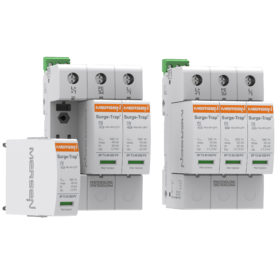
Through the transaction, the French industrial equipment manufacturer aims to strengthen its R&D capabilities, as well as its position in the power electronics market. In the first quarter, its solar-related business grew by around 50%.
Meyer Burger outsources SWCT production to Mondragon
The Swiss solar PV equipment manufacturer has signed a cooperation agreement with Spanish competitor, Mondragon Assembly. Following the closure of the Meyer Burger production site in Thun at the end of the year, the latter will manufacture Smartwire Connection technology going forward. However, patents and sales of the technology will remain the property of Meyer Burger.
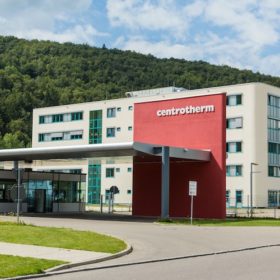
Centrotherm reports increasing order intake
The solar PV equipment provider saw its sales decrease in the past financial year. It has improved its results and an order intake, however, which is expected to have a positive impact on sales this year.
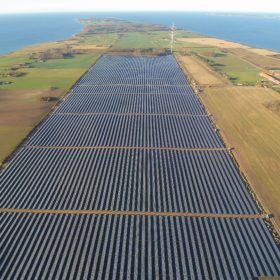
Denmark to allocate around $690 million for mixed wind-solar auctions starting from 2020
The Danish government has released a new energy policy, which aims, among other things, to create more competition among clean energy technologies, and reduce the average level of support to renewables to 0.10 DKK (US$0.016)/kWh.
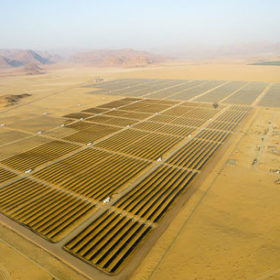
103 MW solar plant comes online in Jordan
The 103 MW Quweira solar PV project – currently the country’s largest – is owned by the Jordanian Government and was funded by the Abu Dhabi Fund for Development (ADFD).
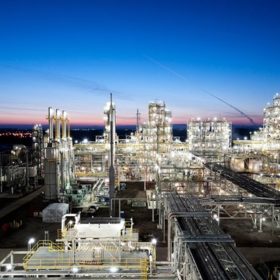
REC Silicon swings to profit in Q1 2018
The Norwegian headquartered polysilicon manufacturer saw its revenue and shipments increase significantly year-on-year. The global polysilicon market, the company stressed, is still dominated by long-term fixed sales contracts and high polysilicon inventory levels.
