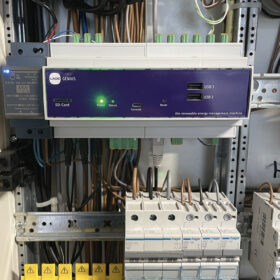
Weekend Read: Artificial opportunities
Artificial intelligence (AI) is hot right now and is finding central applications in homes and businesses as they move from simple grid connections to self-generation, energy storage, electric vehicle (EV) charging, and load-shifting revenue streams. With AI everywhere, what’s the difference between advanced control, via simple algorithms, and true intelligence?
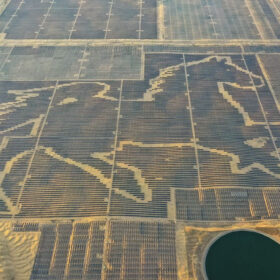
Weekend Read: Famine to feast – China’s solar market in 2023
China’s solar industry rebounded in 2023 after years of pandemic-related sluggishness. As the year draws to a close, pv magazine looks back at key highlights of 2023 and considers the prospects for 2024.
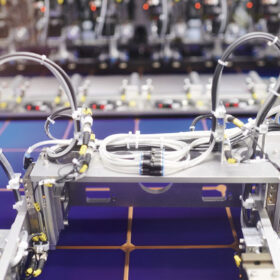
Weekend Read: Europe’s subsidy conundrum
On Nov. 6, the European Solar PV Industry Alliance (ESIA) published a recommendation paper in which it set out how its members envisage a European support scheme to foster the development of European solar. What chance does it have of actually achieving its goals? Götz Fischbeck delivers an assessment.
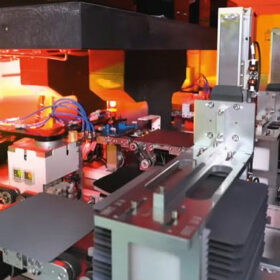
The overproduction conundrum
Solar manufacturing capacity has been ramping up so quickly that even impressive installation growth cannot keep pace. Molly Morgan, senior research analyst at UK-based research firm Exawatt, explores the relationship between PV supply and demand and assesses the likelihood of overproduction.

Bridging the gaps
The collapse of module prices in 2023 has fueled speculation around just how much PV supply is held in European warehouses. How big the stockpile is depends on who you ask but such a broad spectrum of opinion shows there is room for improvement in how the solar industry shares data.
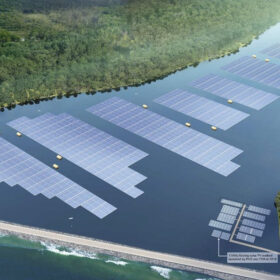
The ‘next big thing’
The PV industry in Southeast Asia has come a long way since guest author Ragna Schmidt-Haupt, partner at Everoze, reported on solar financing innovation in the region more than a decade ago. In this article, she outlines five factors for success, the newest of which has the potential to become a game changer, and not only in Southeast Asia.
A survival guide for solar SMEs
As solar manufacturing moves toward technological convergence, and rampant production capacity expansion continues, standing out from the crowd is just one of the strategies small- and medium-sized enterprises (SMEs) will have to use to survive, according to InfoLink’s Amy Fang.
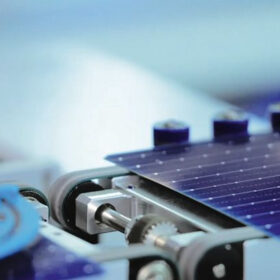
Weekend Read: Getting to the bottom of TOPCon degradation
Should the industry be alarmed at the potential degradation susceptibility of tunnel oxide passivated contact (TOPCon) solar cells? Or are the problems easily addressed and more a reflection of rushed-to-market products? pv magazine contributor and consultant Götz Fischbeck reports.

Wafer formats continue to evolve
Differences in wafer and module specifications, which have bedevilled solar developers in recent years, could now be narrowing.
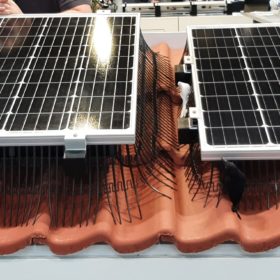
Utilities, can you DG it?
Small-scale PV systems drove the installation of more than 200 GW of solar capacity last year and could support more than 300 GW this year. That means a reset for utilities.
