
Desalinating water with mobile solar-powered devices
A U.K. research team has developed a desalination mechanism that could offer a new way to provide drinking water and irrigate remote areas affected by natural disasters. Although the portable device is still in an initial, experimental phase, it can be powered by solar energy, as it has no moving parts and only requires small amounts of electricity.
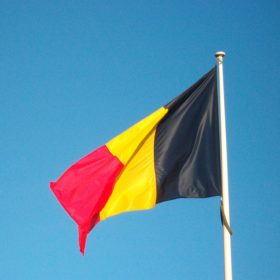
Belgium deployed more than 500 MW of PV in 2019
The country’s cumulative installed PV capacity reached 4.82 GW at the end of 2019. Most of last year’s new PV additions were rooftop projects, but Engie also started up a 100 MW solar park.
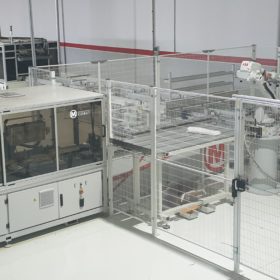
Another solar module factory in Algeria
Algerian telecoms and renewable energy company Milltech is planning to begin producing panels at a new factory next month. The modules made there will chiefly be distributed in Algeria but the company also hopes to export.
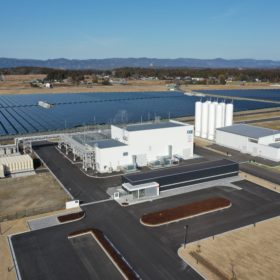
Solar-powered hydrogen production in Japan
Toshiba has finalized construction of a 10 MW hydrogen plant in Fukushima prefecture which draws power from 20 MW of solar generation capacity as well as the grid.

A perovksite-silicon tandem cell with 25.7% efficiency
The device exhibited a small performance loss after a 400-hour thermal stability test at 85 degrees Celsius and after the same period under maximum power point tracking at 40 degrees Celsius, according to its developer. The cell was made by combining solution-processed, micrometer-thick perovskite top cells with fully-textured silicon heterojunction bottom cells.

Sri Lanka launches 150 MW solar tender
Sri Lanka’s Ceylon Electricity Board is seeking proposals for 20 solar power projects ranging in size from 3 MW to 10 MW. The projects are part of the third phase of the ‘Soorya Bala Sangramaya’ (Battle for Solar Energy) program.

Uzbekistan’s 200 MW PV tender attracts 54 bidders
The list of bidders includes companies and consortia from all over the world, suggesting that the procurement of large-scale solar is becoming increasingly competitive at a global level. The 200 MW solar park will be built in Sherabad, in southeastern Uzbekistan’s Surkhandarya region.
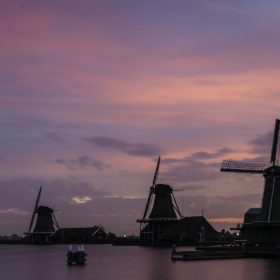
Dutch government doubles budget for upcoming SDE+ round to €4 billion
The Dutch government said that the budget increase will allow several solar projects that were excluded from the previous round to secure contracts in the next one. In the last round, the Netherlands Enterprise Agency received €9.06 billion of applications for just €5 billion of available subsidies.

Canadian Solar claims 23.81% efficiency for n-type poly module
The Chinese-Canadian manufacturer said the new results improve upon its previous record by around 1%. The achievement has been certified by Germany’s Institut für Solarenergieforschung GmbH (ISFH).
Big solar going back to Romania
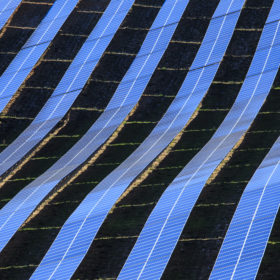
Complexul Energetic Oltenia, a Romanian coal-fired power producer, plans to build 310 MW of PV capacity across four sites at one of its facilities. The projects are part of the company’s restructuring efforts and decarbonization plan.
