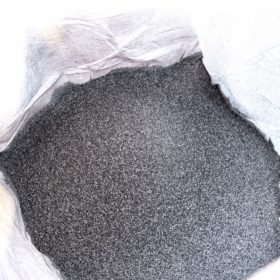
PV module recycling should prioritize high-purity silicon recovery
Recovering silicon of the quality required for reuse in panels is at the heart of mitigating device carbon footprints. R&D efforts should be ramped up now, says an international research group, so the technology is in place when huge volumes of modules begin to need replacing.
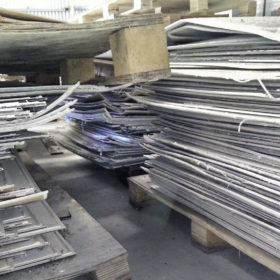
Using ultrasonic irradiation to separate backsheets in PV waste
Chinese researchers have used an industrial-grade, 720 W ultrasonic cleaner – with a frequency rating of 28 Khz and 1,000 W of heating power – to separate backsheets from end-of-life PV modules. They’ve concluded that an ultrasonic power of 720 W is ideal for the separation process.
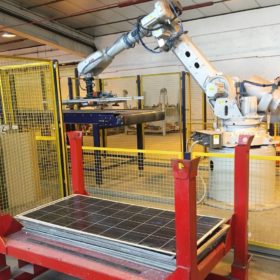
A mechanical technique for PV module recycling
An Italian consortium has developed a panel recycling process it claims can recover up to 99% of raw materials. The developers claim their technique takes only 40 seconds to fully recycle a standard panel, depending on size and recycling site conditions.
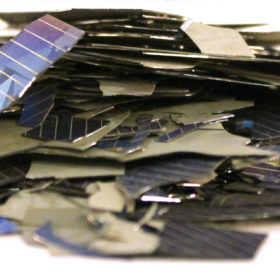
Lessons to be learnt from Italy’s alleged PV fraud
The alleged resale in developing countries of solar modules sent for end-of-life recycling in Sicily could have an important lesson for the PV industry: select reliable recycling entities to avoid potential trouble further down the line. The PV industry should also avoid another potential risk, that of the illegal disposal of PV waste outside the EU.
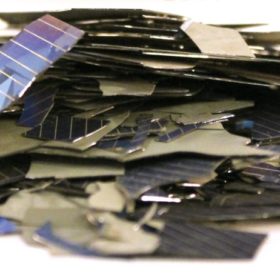
Italian PV panels sent for recycling were instead smuggled to Syria and Africa
Illegally re-badged panels were sold on to Senegal, Burkina Faso, Nigeria, Morocco, Mauritania, Turkey and even Syria. Italian authorities found 60 tons of panels which will be examined.
More than 5,000 tons of modules collected for recycling in France
PV Cycle has said it collected more than 280,000 solar panels at the end of their lifecycle in France last year, including 200 tons from the nation’s overseas territories.
Assessing metal leaching from PV modules dumped in landfill
An Indian research team has analyzed around 300 scientific studies about PV panel waste containing carcinogenic metals. The researchers said solar module recycling is not economically profitable and policy support is necessary to avoid panels being dumped in landfill.
PV waste: 28 tons collected in Panama and Senegal
The PV Cycle Association collects and recycles PV waste. Having treated more than 30,000 tons since its creation, it estimates 150,000 tons of PV modules will reach the end of their lifecycle by 2030.

Unstoppable power: pv magazine starts new UP campaign for more sustainability
This year, pv magazine is setting a new editorial agenda. Via our program, UP, we will be diving deep into the topic of what it means to be truly sustainable, looking at what is already being done, and discussing areas for improvement. Over the coming weeks, months, and years, we will share our findings across our various digital platforms, in our print magazines, and via our roundtable events and webinars. Are you UP for it?
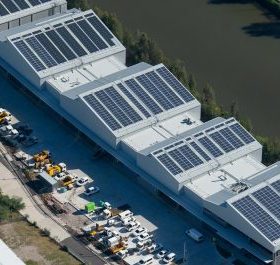
How to profitably upcycle 80 million tons of PV waste in Australia by 2050
Research by the University of New South Wales has examined the economic barriers, technologies and opportunities of recycling end-of-life silicon PV modules for profit.
